
As I stood in my kitchen, the comforting aroma of warm bread began to fill the air, transporting me straight to the bustling streets of Greece. Today, we’re crafting Lagana, a delightful Greek Lenten bread that’s not just soft and chewy but also topped with nutty sesame seeds. This recipe is perfect for anyone looking to embrace homemade goodness while bypassing takeout. With simple ingredients and an effortless preparation process, you’ll find that this vegetarian and dairy-free flatbread is not only a crowd-pleaser but also a wholesome addition to your Lenten meals. Just imagine serving up this warm, fragrant bread alongside your favorite dips or using it to elevate your sandwich game. Are you ready to dive into this delicious journey?
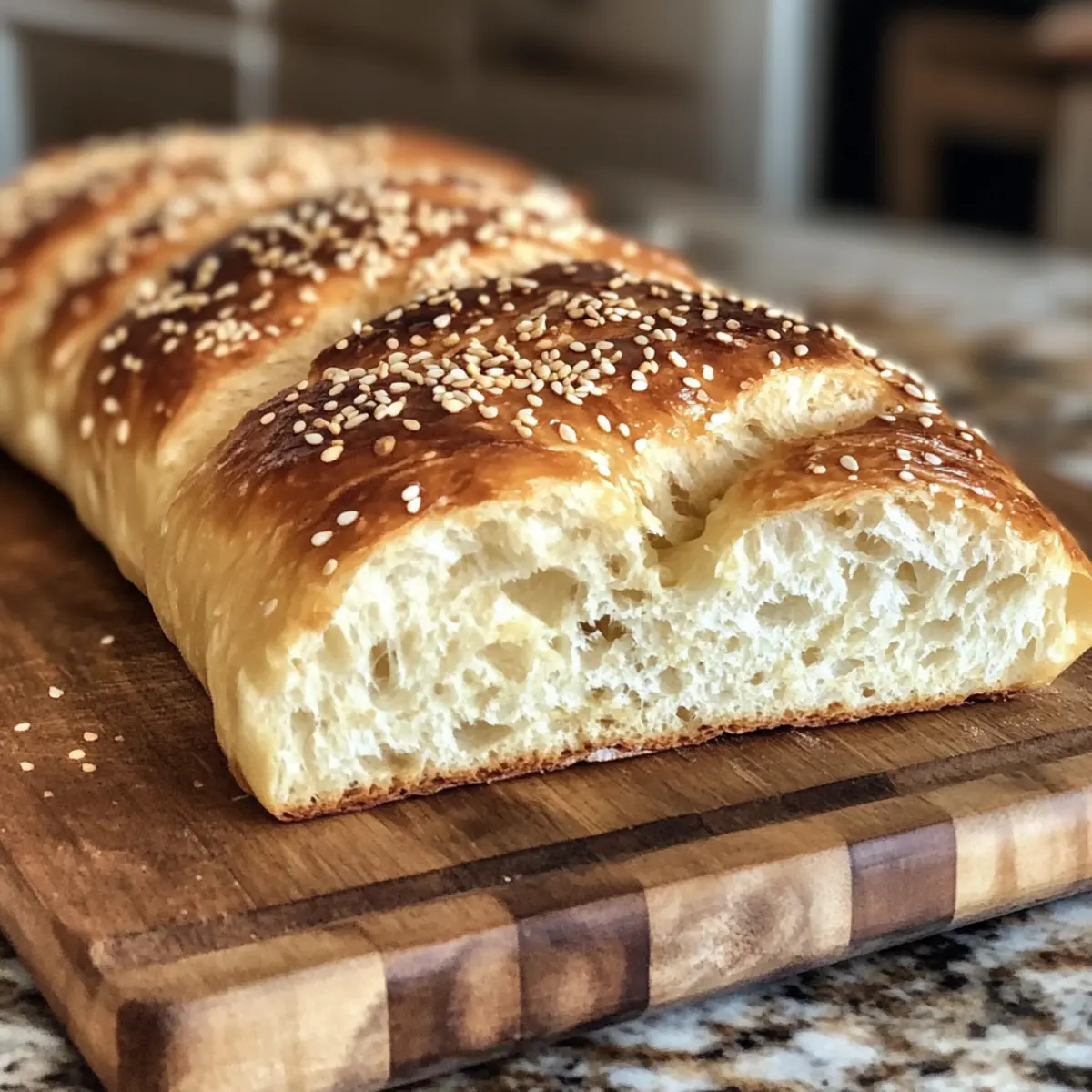
Why is Greek Lenten Bread special?
Authenticity at its Core: This homemade Lagana captures the essence of traditional Greek bread, offering a warm taste of culture in every bite.
Nutty Flavor Explosion: The addition of tahini not only enhances flavor but also packs in healthy fats, making each slice nourishing and satisfying.
Simple Ingredients: Crafted with pantry staples, this recipe allows anyone to whip up a delicious bread without a fuss.
Crowd-Pleasing Delight: Serve it warm at gatherings, and watch your friends and family dive in, loving the unique texture and taste.
Versatile Pairing Options: Whether enjoyed plain, with dips like hummus, or used creatively in sandwiches, this bread adapts to various meals.
Get ready to fall in love with baking—and if you’re looking for more inspiration, don’t miss out on Herb Soda Bread or Cheesy Halloween Breadstick Bones!
Greek Lenten Bread Ingredients
• Create the perfect Greek Lenten bread with simple and wholesome ingredients that speak to tradition.
For the Dough
- Lukewarm Water – Essential for activating the yeast; keep it between 105°F – 110°F.
- Active/Instant Dry Yeast – Helps the bread rise; 1 envelope is about 2¼ tsp.
- Honey – A touch of sweetness that supports yeast activation.
- Extra Virgin Olive Oil – Adds moisture and flavor, plus it can be used for greasing the bowl.
- Tahini – Infuses the dough with a rich, nutty essence; great for unexpected recipes too!
- Sea Salt – Balances the flavors and enhances taste.
- Bread Flour – The backbone of your bread; around 500g or about 4 cups for structure.
For the Topping
- White Sesame Seeds – Adds a delightful crunch and nutty flavor, making this Greek Lenten bread irresistible!
Step‑by‑Step Instructions for Greek Lenten Bread
Step 1: Prepare Dough
In a large mixing bowl, whisk together 1¼ cups of lukewarm water (between 105°F – 110°F), one envelope of active dry yeast, and two tablespoons of honey. Allow this mixture to sit for 10 minutes until it becomes frothy, indicating that the yeast is activated and ready to work its magic in your Greek Lenten bread dough.
Step 2: Mix Ingredients
Next, add ¼ cup of extra virgin olive oil, ¼ cup of tahini, and one teaspoon of sea salt into the yeast mixture. Gradually incorporate approximately 4 cups of bread flour, stirring continuously until a moist and slightly sticky dough forms. You’ll know it’s ready when the dough pulls away from the sides of the bowl but still clings slightly to your fingers.
Step 3: First Proof
Shape the dough into a ball and lightly coat it with olive oil to prevent sticking. Cover the bowl with a damp cloth or plastic wrap, then place it in a warm spot to rise. Allow it to proof for about 1 to 1.5 hours, or until it has doubled in size and feels airy, giving it a gentle poke to see if it bounces back.
Step 4: Shape Bread
Once your dough has risen, gently punch it down to release excess air, then divide it into two equal pieces. Stretch each piece into elongated rectangular shapes and place them on a parchment-lined baking sheet. Let them rise again for another 30 minutes while you preheat your oven, creating the structure for your beautiful Greek Lenten bread.
Step 5: Prepare for Baking
Preheat your oven to 375°F. Brush the tops of the risen dough with olive oil or a mixture of water and honey for a sweetness boost. Don’t forget to generously sprinkle sesame seeds over the top, making sure they’re evenly distributed to add that delicious crunch we all love in our Greek Lenten bread.
Step 6: Bake
Using your fingers, dimple the surface of the dough lightly—this not only helps with even baking but also gives a rustic flair. Slide the baking sheet into your preheated oven and bake the bread for about 25-30 minutes, until the tops are golden brown and the bread sounds hollow when tapped on the bottom.
Step 7: Cool and Serve
After baking, remove the Greek Lenten bread from the oven and let it cool on a wire rack for a few minutes. Slicing it too early can cause it to become gummy, so give it a little time. Once slightly cooled, cut into pieces and serve warm, perfect for dipping or enjoying on its own!
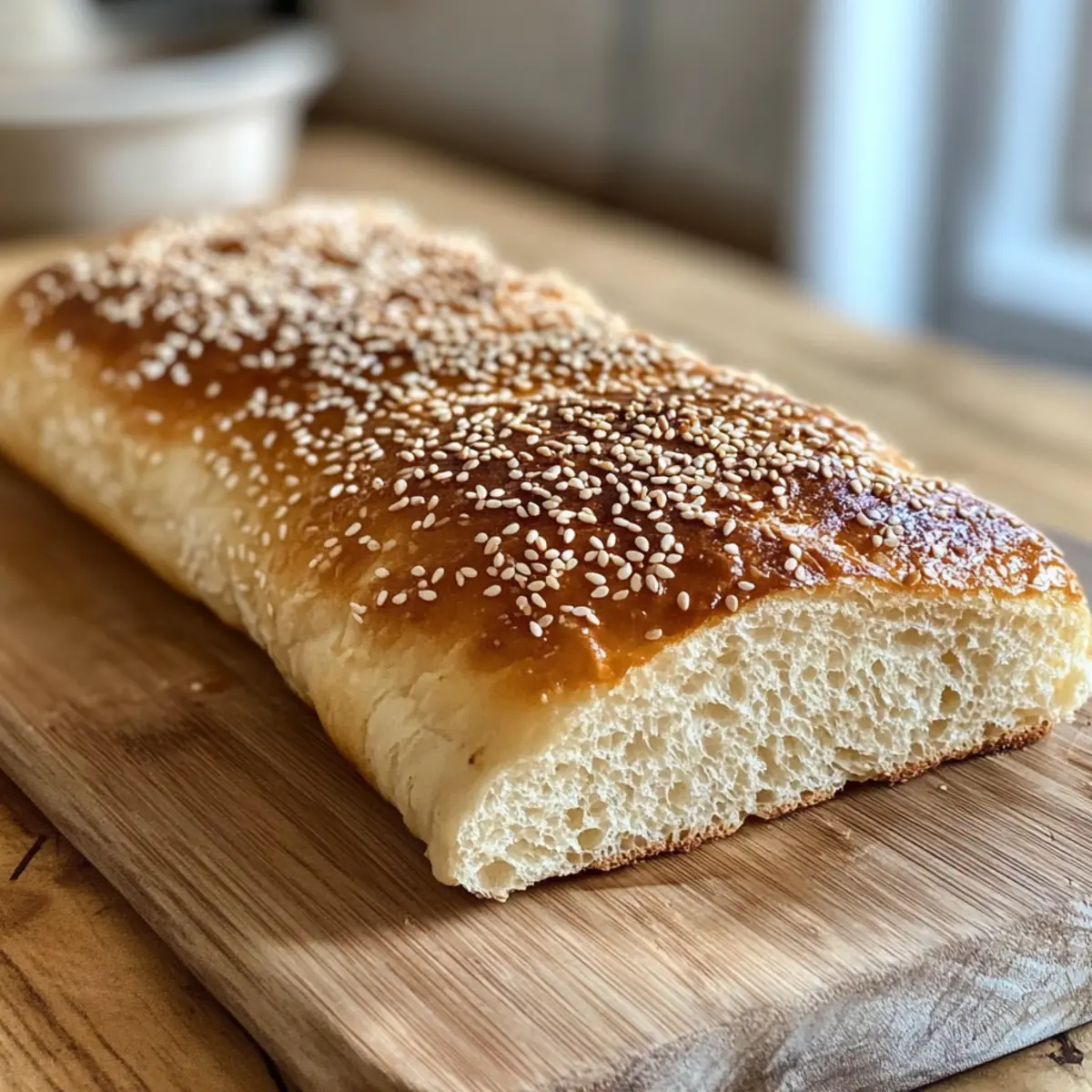
Expert Tips for Greek Lenten Bread
Proofing Perfection: Make sure your dough rises in a warm spot; if your kitchen is too cold, the bread may not rise properly, affecting its texture.
Dimpling Technique: Don’t skip dimpling the dough before baking; it not only enhances aesthetics but also promotes even baking for your Greek Lenten bread.
Honey-Water Mix: For better sesame seed adherence, try brushing your dough with a honey-water mixture instead of just olive oil. This helps the seeds stay put during baking.
Avoid Overmixing: When adding flour, mix until just combined. Overworking the dough can lead to a tougher texture in your final bread.
Cooling Time: Allow the loaf to cool slightly before slicing. Cutting too soon can result in a gummy interior. Enjoy the aroma as it fills your home!
What to Serve with Lagana (Greek Lenten Bread)
Imagine pulling apart warm, fragrant bread and savoring bites filled with love and tradition; your meal is about to get even better.
- Creamy Hummus: A classic dip pairing that complements the nutty flavor of the tahini in the Lagana while adding a rich, creamy texture.
- Marinated Olives: Their briny flavor offers a delightful contrast to the warm bread, creating a refreshing burst of taste with each bite.
- Taramosalata: This Greek fish roe dip brings a smooth, savory flavor that pairs perfectly with the bread’s chewy texture, making for an irresistible snack.
- Greek Salad: A fresh, crunchy mix of cucumbers, tomatoes, and feta brings a delightful balance to your Lenten meal, adding brightness and zest.
- Roasted Vegetables: The earthiness of roasted seasonal vegetables complements the bread’s nutty profile, adding a hearty element to your table.
- Greek Beans: Serve warm, these marinated beans provide a protein-packed addition that enhances the flavors of both the bread and your meal.
- Feta-Stuffed Peppers: Their salty, creamy center fills your palate with flavor, augmenting the overall experience when enjoyed alongside warm Lagana.
- Sweet Greek Pastries: End your meal on a high note with baklava or kataifi, delivering a sweet crunch that beautifully contrasts with the savory bread.
- Minted Lemonade: This refreshing drink cuts through the richness of the tahini, making it a perfect sip amidst your Lenten feast.
- Red Wine: A glass of medium-bodied red wine enhances the meal’s flavors, bringing out the bread’s nutty and savory notes while creating an inviting atmosphere.
Greek Lenten Bread Variations
Feel free to explore these delightful twists to make this Greek Lenten bread uniquely yours!
-
Coconut Oil Swap: Replace olive oil with melted coconut oil for a subtle tropical flavor. It adds a hint of sweetness that enhances the bread’s richness.
-
Herbed Delight: Incorporate fresh herbs like rosemary, thyme, or oregano into the dough for an aromatic touch. This variation will elevate your bread with earthy notes, making it perfect for serving at dinner parties.
-
Sweet Surprise: For a sweeter twist, fold in dried fruits such as apricots or raisins before shaping. They’ll add bursts of flavor that pair wonderfully with savory dips and dishes.
-
Nutty Twist: Add chopped nuts like walnut or almonds to the dough for an extra crunch. Nuts not only enhance the texture but also offer a delightful contrast to the chewiness of the bread.
-
Enhanced Seed Mix: Try using a blend of sesame and poppy seeds for the topping to create a colorful and textured crust. This will add a unique visual appeal and diversify the flavor profile.
-
Spicy Kick: Incorporate crushed red pepper flakes or a pinch of chili powder into the dough for a gentle heat. Perfect for those who enjoy a bit of spice, it pairs beautifully with rich spreads like taramosalata.
-
Cheesy Addition: Mix in some grated vegan cheese or nutritional yeast into your dough for a cheesy flavor without the dairy. This is a great way to keep things vegan while still satisfying those savory cravings.
-
Zesty Flavor: Add the zest of a lemon or an orange into the dough for a citrusy brightness that complements the nuttiness of tahini. This refreshing hint will take your Greek Lenten bread to new flavorful heights.
For more bread inspiration, consider making Cheesy Halloween Breadstick Bones or diving into the delicious world of Herb Soda Bread. Let your creativity run wild in the kitchen!
Make Ahead Options
Lagana, the delightful Greek Lenten bread, is perfect for meal prep enthusiasts! You can prepare the dough up to 24 hours in advance by following the first proofing steps and then placing it in the refrigerator. The cooler environment ensures that flavors develop beautifully without compromising quality. When you’re ready to bake, simply remove the dough from the fridge, allow it to come to room temperature for about 30 minutes, and proceed with shaping and the second proof. Additionally, this bread can be baked ahead and stored in an airtight container at room temperature for up to 3 days. Just warm it in the oven before serving for that fresh-baked taste. Enjoy time-saving benefits while still impressing your family with this homemade Greek Lenten bread!
How to Store and Freeze Lagana
Room Temperature: Keep leftover Greek Lenten bread in an airtight bag at room temperature for up to 3 days to maintain its softness.
Fridge: If you live in a humid climate, you may store it in the fridge for up to 5 days, but be sure to seal it well to prevent it from drying out.
Freezer: For longer storage, freeze the Lagana in a resealable freezer bag for up to 3 months. To thaw, leave it out at room temperature or warm it in the oven.
Reheating: To refresh your Greek Lenten bread, preheat the oven to 350°F and warm it for about 10 minutes, ensuring it remains soft and aromatic.
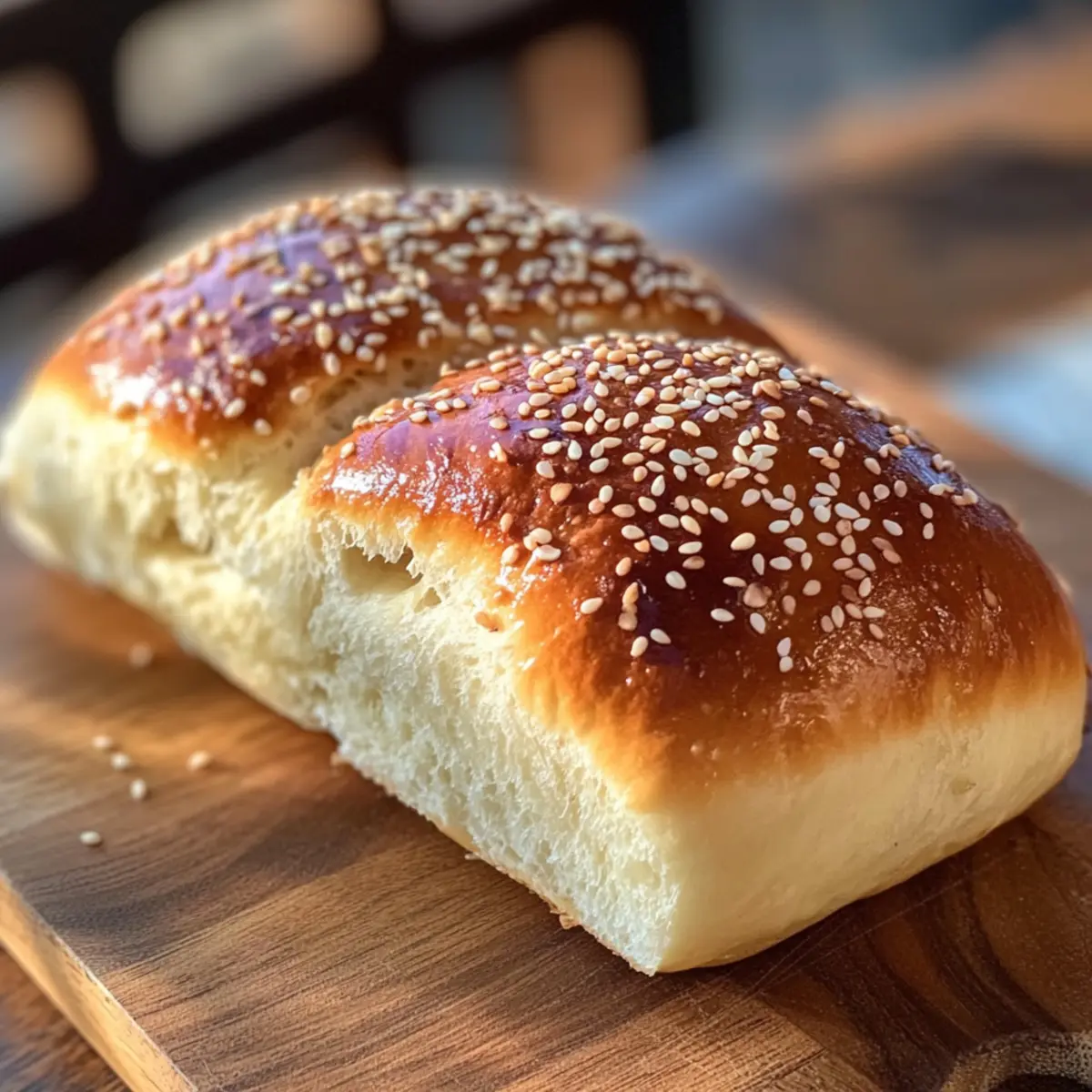
Lagana: The Delightful Greek Lenten Bread Topped with Sesame Seeds Recipe FAQs
What is the best way to select ripe ingredients for Lagana?
Absolutely! When choosing your ingredients, ensure the tahini is fresh and creamy; look for jars without added preservatives or excess oil. For honey, opt for raw or local varieties to enhance flavor. Your yeast should be active; check for freshness by confirming the expiration date on the packet.
How should I store Lagana after baking?
To keep your Greek Lenten bread fresh, place it in an airtight bag at room temperature for up to 3 days. If you live in a humid area, storing it in the fridge can extend its life to about 5 days, but make sure to seal it properly to avoid dryness.
Can I freeze Lagana, and if so, how?
Yes, you can freeze Lagana! Let it cool completely first, then wrap each loaf tightly in plastic wrap and place it in a resealable freezer bag. It can stay in the freezer for up to 3 months. To enjoy, simply thaw the loaf at room temperature or warm it in a preheated oven at 350°F for about 10 minutes until soft.
What are some common issues when making Lagana, and how can I troubleshoot them?
Very! If your bread doesn’t rise, it could be due to using water that’s too hot or too cold; aim for 105°F – 110°F. Make sure your yeast is activated properly—look for bubbling after combining it with water and honey. Also, if the bread is too dense, you might have added too much flour, so remember to mix until just combined for the best texture.
Are there any dietary considerations when making Lagana?
Absolutely! This recipe is both vegetarian and dairy-free, making it suitable for a variety of diets, including those observing Lent. However, if you’re cooking for anyone with sesame allergies, consider omitting the sesame seeds or substituting them with pumpkin seeds, as they offer a similar crunch and flavor. Always best to check with your guests about dietary restrictions!
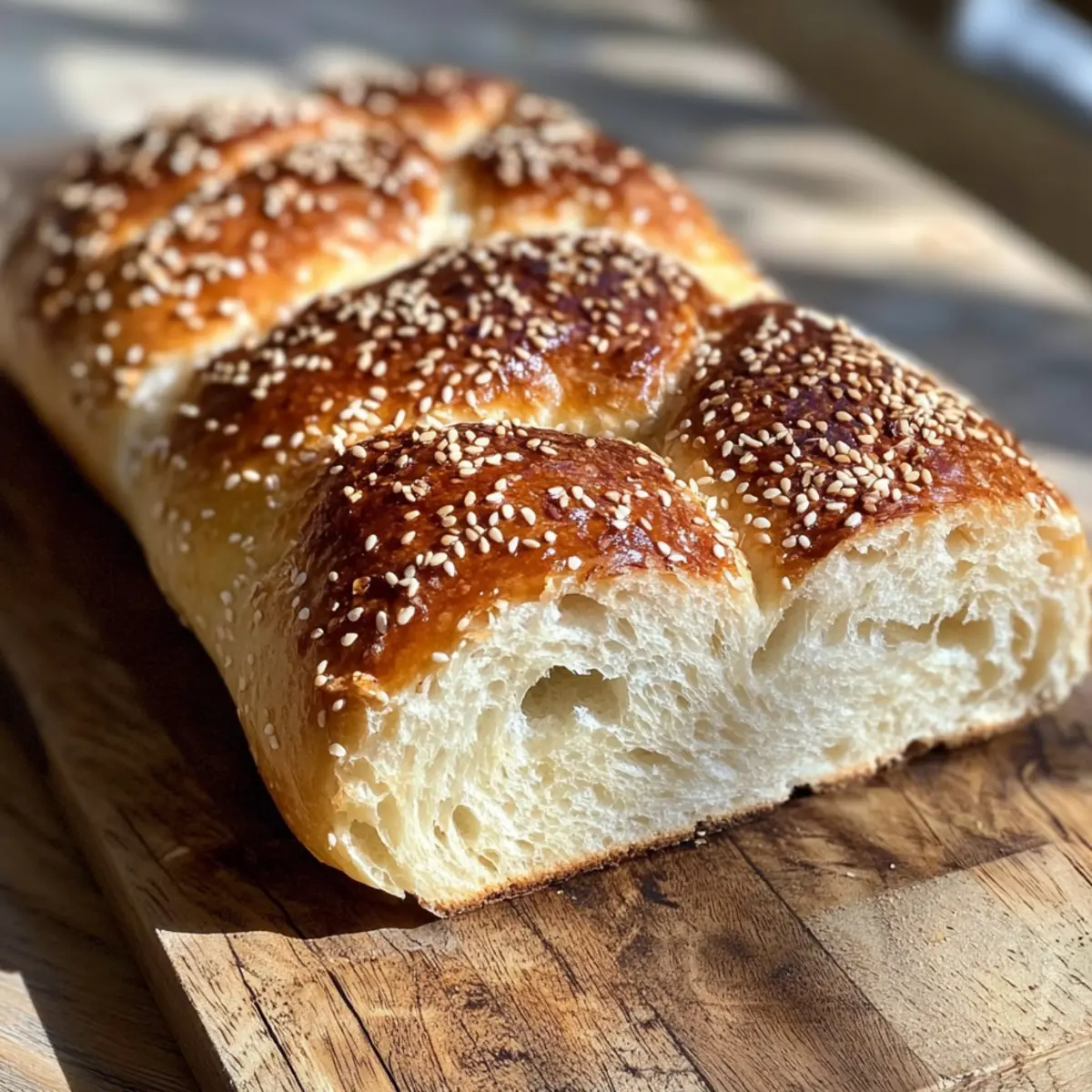
Delicious Greek Lenten Bread with Nutty Tahini Twist
Ingredients
Equipment
Method
- In a large mixing bowl, whisk together the lukewarm water, active dry yeast, and honey. Allow to sit for 10 minutes until frothy.
- Add olive oil, tahini, and sea salt into the yeast mixture. Gradually incorporate the bread flour until a moist dough forms.
- Shape the dough into a ball, coat with olive oil, cover with a damp cloth, and let rise in a warm spot for 1 to 1.5 hours until doubled.
- Punch down the risen dough, divide into two pieces, shape into rectangles, and place on a parchment-lined baking sheet for another 30 minutes rising time.
- Preheat oven to 375°F, brush the tops with olive oil or honey-water mix, and sprinkle sesame seeds generously.
- Dimple the dough lightly and bake for 25-30 minutes until golden brown and sounds hollow when tapped.
- Let cool on a wire rack for a few minutes, then slice and serve warm.
Leave a Reply