
As the aroma of spices wafts through the kitchen, I can’t help but feel transported to a bustling Moroccan marketplace. This Moroccan Stuffed Butternut Squash has become my go-to dish for holiday gatherings and cozy dinners alike. With its vibrant mix of sweet dried apricots, crunchy almonds, and zesty citrus, this recipe is not just a feast for the senses but also a nourishing, plant-based option that will impress even the pickiest eaters. Best of all, it’s surprisingly easy to whip up, making it a time-saver for busy weeknights or festive celebrations. Curious how to create this flavorful centerpiece that’s sure to spark conversation? Let’s dive into the recipe!
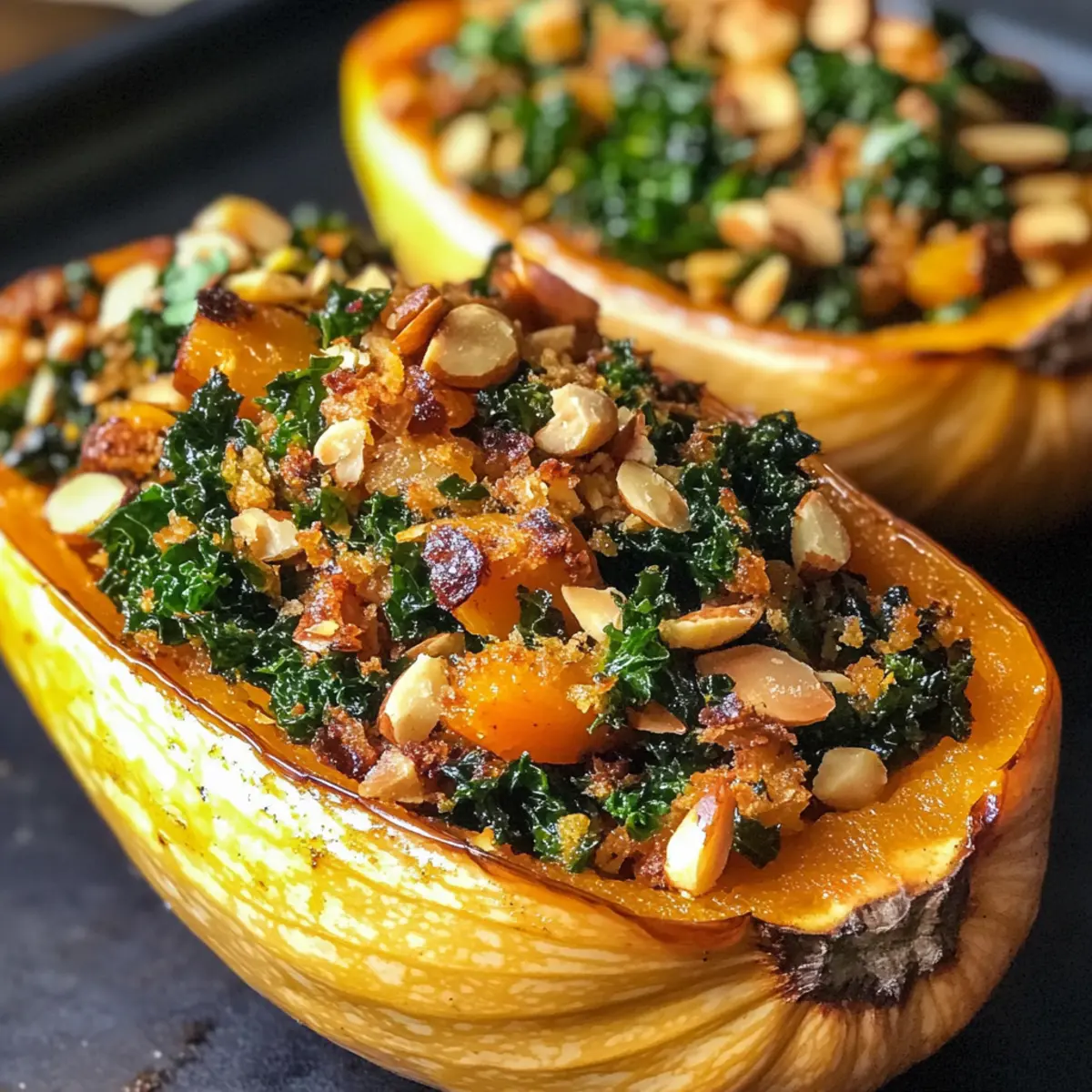
What makes this dish a holiday favorite?
Vibrant flavors: Bursting with sweet apricots and zesty citrus, this dish is a delightful explosion of taste.
Plant-based goodness: Perfect for those seeking nutritious, whole food alternatives during festive meals.
Visual appeal: Its stunning presentation makes it an eye-catching centerpiece for any table.
Easy prep: With straightforward steps, you can impress guests without spending all day in the kitchen—just like my Stuffed Mushroom Eyeballs that also shine during celebrations.
Versatile options: This recipe allows for easy substitutions, making it adaptable to various dietary needs. Each bite promises satisfaction, ensuring it will quickly become a cherished addition to your holiday repertoire.
Moroccan Stuffed Butternut Squash Ingredients
For the Squash
• Butternut Squash – The star of the dish, offering sweetness and texture; substitute with pumpkin or acorn squash if desired.
• Extra Virgin Olive Oil – Essential for roasting, enhancing the flavor; can be replaced with avocado oil for a unique twist.
For the Filling
• Flaked Almonds – Provide a delightful crunch and nutty flavor; swap with chopped walnuts or pecans if allergies are a concern.
• Red Onion – Transforms and elevates the taste profile; yellow onion works perfectly if that’s what you have on hand.
• Garlic – Adds aromatic depth; in a pinch, garlic powder can be a handy substitute.
• Coriander Seeds – Deliver warmth and an aromatic note; ground coriander can replace fresh seeds but strive for fresh when possible.
• Cooked Rice or Lentil Rice – Forms a hearty base for the stuffing; feeling adventurous? Try using quinoa or couscous instead!
• Ras El Hanout – This key Moroccan spice blend brings warmth and complexity; if unavailable, mix cumin, coriander, and cinnamon for a homemade version.
• Dried Apricots or Medjool Dates – Add natural sweetness and are a beautiful balance to the spices; raisins or figs are great alternatives.
• Citrus Zest (Orange & Lemon) – Brightens the overall flavor profile, making it fresh and vibrant.
• Kale – Contributes nutrition and a pop of color to the filling; feel free to substitute with spinach or Swiss chard.
• Fresh Coriander – Enhances flavor and adds brightness; parsley can work in a pinch.
• Vegan Feta – Adds creaminess and a tangy twist; omit for a dairy-free option or use regular feta if desired.
For the Dressing
• Dressing Ingredients – A mix of olive oil, lemon juice, dijon mustard, and red wine vinegar creates a tangy finish that brings the dish together beautifully.
With these ingredients, you will create a Moroccan Stuffed Butternut Squash that showcases vibrant flavors and a delightful presentation, proving it’s a wonderful alternative to traditional holiday meals.
Step‑by‑Step Instructions for Moroccan Stuffed Butternut Squash
Step 1: Preheat and Prepare
Begin by preheating your oven to 200°C (or 180°C fan). While the oven heats, line a baking tray with greaseproof paper. This will ensure your Moroccan Stuffed Butternut Squash has a nice base to roast on without sticking.
Step 2: Roast the Squash
Carefully slice the butternut squash in half lengthwise. Rub the cut sides with extra virgin olive oil and season generously with salt and pepper. Place the squash cut side down on the prepared tray and roast for 40-50 minutes, until tender and caramelized. You’ll know it’s done when a fork easily pierces the flesh.
Step 3: Toast the Almonds
In the last 8 minutes of roasting, scatter the flaked almonds onto the tray with the butternut squash. This will give them a lovely golden color and enhance their flavor. Keep an eye on them to prevent burning while they toast.
Step 4: Sauté the Aromatics
While the squash roasts, heat a tablespoon of olive oil in a skillet over medium heat. Sauté the minced red onion for 3-4 minutes, or until it becomes soft and translucent. Add minced garlic and coriander seeds, cooking for an additional minute until fragrant.
Step 5: Prepare the Filling
Stir in the cooked rice or lentil rice, along with the rasp el hanout, chopped dried apricots or dates, citrus zest, and kale. Cook this mixture for about a minute, just until the kale has wilted, stirring frequently to combine all the vibrant flavors of your Moroccan Stuffed Butternut Squash.
Step 6: Mix the Filling
Carefully remove the roasted butternut squash from the oven and scoop out some flesh, leaving about 1.5 cm thickness to maintain structure. Combine the scooped flesh with the rice mixture, adding in the toasted almonds, fresh coriander, and crumbled vegan feta for extra creaminess.
Step 7: Whisk the Dressing
In a small bowl, whisk together the dressing ingredients: olive oil, lemon juice, dijon mustard, and red wine vinegar. Taste and adjust as needed, then mix two-thirds of this dressing into the stuffing mixture for added zing.
Step 8: Stuff the Squash
Refill the butternut squash halves with the flavorful stuffing, pressing down gently to ensure it’s packed well. Return them to the oven and bake for another 10 minutes, allowing all the vibrant flavors to meld beautifully in your Moroccan Stuffed Butternut Squash.
Step 9: Garnish and Serve
Once done, remove the squash from the oven and garnish with the remaining fresh coriander. This final step introduces a burst of color and freshness. Serve your stunning Moroccan Stuffed Butternut Squash warm, delighting your guests with its vibrant appearance and rich flavors.
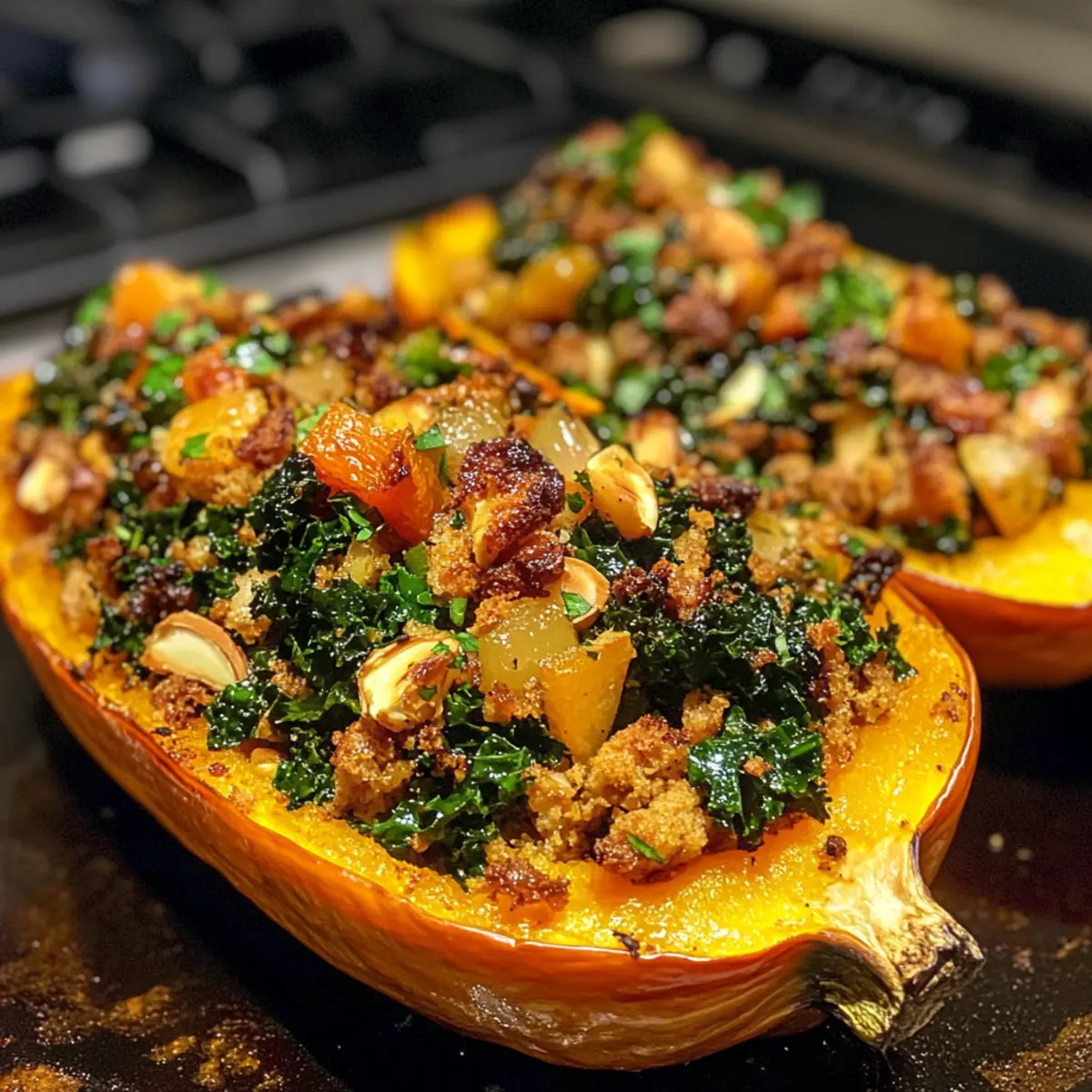
Moroccan Stuffed Butternut Squash Variations
Feel free to add your own flair to this delightful dish, inviting new tastes and textures to your table!
- Gluten-Free: Swap the rice for quinoa or cauliflower rice for a fantastic gluten-free alternative. This swap adds a nutty undertone that pairs beautifully with the spices.
- Nut-Free: Use sunflower seeds instead of almonds or walnuts to maintain a delightful crunch without any nuts. You won’t lose any flavor, and it’s great for those with allergies!
- Protein-Packed: Add cooked chickpeas to the stuffing for extra protein and a satisfying texture. Each bite will be heartier, making it perfect for a filling meal.
- Spicy Kick: Toss in a pinch of cayenne pepper or a dash of harissa to elevate the heat level and give your Moroccan Stuffed Butternut Squash a delightful zing.
- Sweet Swap: Substitute the dried apricots with sweet figs or crunchy apples for a different touch of sweetness. It adds a unique layer to the stuffing!
- Cheese Choices: If you prefer a creamier texture, try goat cheese instead of vegan feta for a tangy flavor that beautifully complements the squash.
- Herb Infusion: Experiment with fresh herbs like mint or basil in place of coriander for a refreshing twist that embodies the spirit of Moroccan cuisine.
- Nutty Flavors: Try using pistachios or hazelnuts in place of the almonds to introduce new flavors and textures that play wonderfully with the spices.
Feel inspired? Discover more flavorful recipes like my Stuffed Mushroom Eyeballs that keep celebrations fresh and exciting!
Expert Tips for Moroccan Stuffed Butternut Squash
-
Season Well: Ensure the butternut squash is generously seasoned; this enhances the natural sweetness and depth of flavor in your Moroccan Stuffed Butternut Squash.
-
Use Fresh Spices: Fresh ras el hanout makes a world of difference in aroma and flavor. Check the freshness to elevate this dish.
-
Mind the Nuts: Monitor toasting flaked almonds closely, as they can burn quickly; adding them towards the end of roasting is best for crispiness without bitterness.
-
Careful Scooping: When scooping out the butternut flesh, be gentle to keep the skins intact; this helps maintain a beautiful presentation.
-
Adding Protein: For a heartier option, consider mixing in cooked chickpeas with the stuffing for extra protein and texture in your Moroccan Stuffed Butternut Squash.
-
Customize Your Greens: Don’t hesitate to use whatever leafy greens you have on hand; kale, spinach, or even Swiss chard all work well to add nutrition and color.
What to Serve with Moroccan Stuffed Butternut Squash
Pairing this delightful dish with complementary flavors and textures will enhance your dining experience.
-
Crispy Green Salad: Fresh greens with a zesty vinaigrette lighten the meal, balancing the richness of the stuffed squash perfectly. Try adding some sliced apples for an extra crunch!
-
Garlic Bread: Warm, buttery garlic bread offers a comforting, savory option, perfect for scooping up any leftover filling. It’s a wonderful way to soak up those vibrant flavors!
-
Roasted Vegetables: A medley of seasonal vegetables, roasted to caramelized perfection, adds colorful variety and a touch of earthiness to your table. Think carrots, Brussels sprouts, and red bell peppers!
-
Couscous with Herbs: Fluffy couscous tossed with fresh herbs and a squeeze of lemon brightens your plate, adding a delightful, crunchy texture that perfectly complements the warmth of the Moroccan spice.
-
Mint Tea: An aromatic cup of mint tea serves as a refreshing palate cleanser that complements the spices beautifully. It adds a touch of tradition to your festive meal!
-
Almond Cake: For dessert, a light almond cake brings a sweet finish without being overwhelming, tying in the nutty notes found in the stuffed squash. A perfect way to end a celebratory feast!
By mixing and matching these suggestions, you can create a vibrant, well-rounded meal that will delight your family and friends!
How to Store and Freeze Moroccan Stuffed Butternut Squash
Fridge: Store leftover Moroccan Stuffed Butternut Squash in an airtight container for up to 3 days. Make sure to let it cool completely before sealing to prevent moisture build-up.
Freezer: For longer storage, freeze the stuffed squash in a freezer-safe container or wrap tightly in plastic wrap, where it can stay fresh for up to 3 months.
Reheating: When ready to enjoy, thaw in the fridge overnight, then reheat in the oven at 180°C (350°F) for about 20-25 minutes, or until heated through.
Portioning: Consider slicing the squash into individual servings before freezing for easy meal prep, allowing you to enjoy this vibrant dish whenever you crave it!
Make Ahead Options
These Moroccan Stuffed Butternut Squash are a fantastic choice for meal prep enthusiasts! You can prepare the filling, including sautéing the aromatics and mixing in the rice, up to 3 days in advance—just refrigerate it in an airtight container to keep it fresh. Additionally, the butternut squash can be roasted up to 24 hours ahead of time; just allow it to cool before storing. To finish the dish, simply stuff the prepared filling into the squash halves, drizzle with the dressing, and bake for an additional 10 minutes before serving. This make-ahead strategy ensures you’ll have restaurant-quality results with minimal effort, perfect for those busy weeknights or festive gatherings!
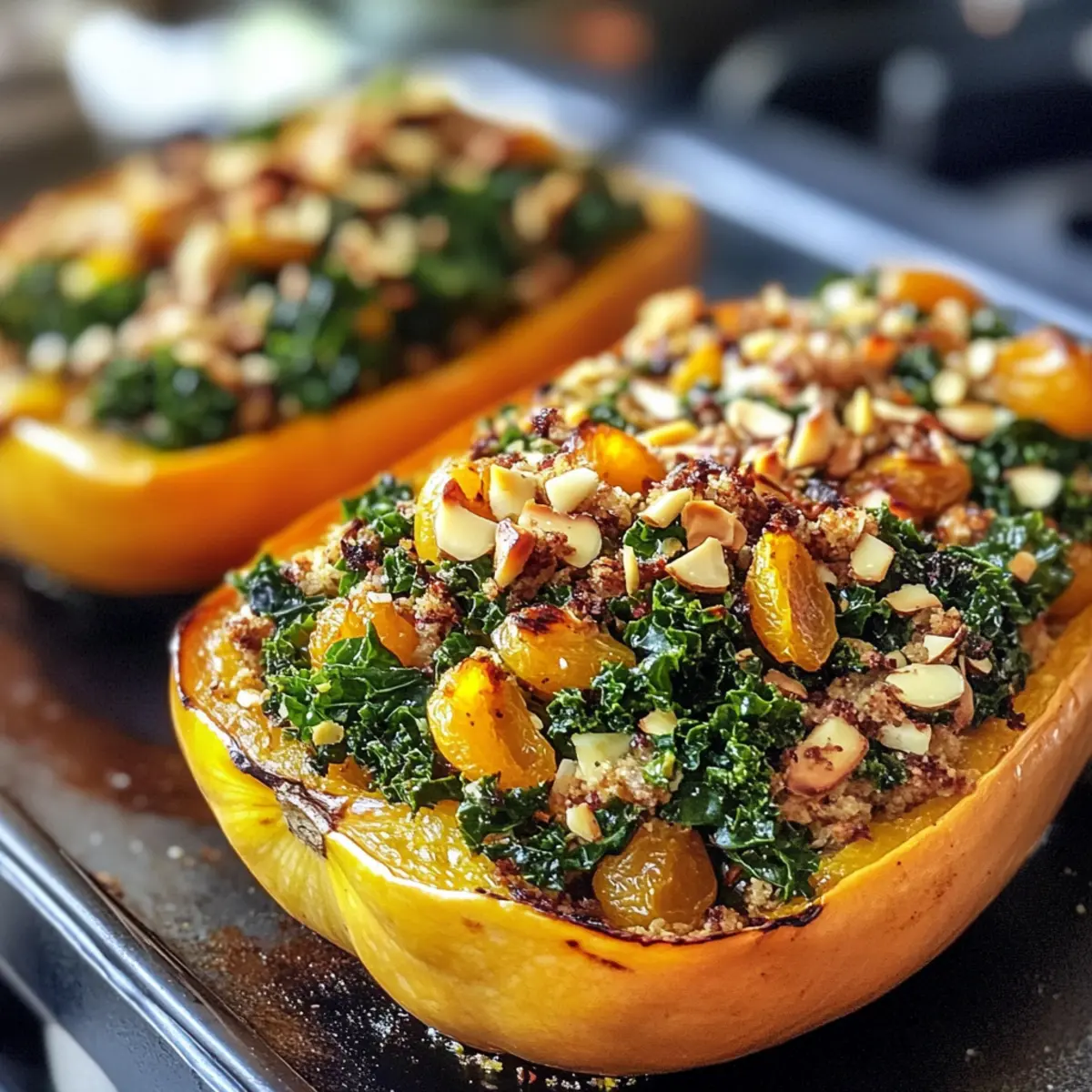
Moroccan Stuffed Butternut Squash Recipe FAQs
How do I select the perfect butternut squash?
Absolutely! Look for a butternut squash that feels heavy for its size with a smooth, firm skin. It should ideally have a deep tan or beige color and be free from dark spots or blemishes. A squash with a longer neck is generally meatier, perfect for stuffing!
What’s the best way to store leftovers?
Very! Store your leftover Moroccan Stuffed Butternut Squash in an airtight container in the fridge for up to 3 days. Allow it to cool completely before sealing to keep excess moisture from building up, which can lead to sogginess.
Can I freeze Moroccan Stuffed Butternut Squash?
Certainly! To freeze, let the stuffed squash cool completely, then wrap each half tightly in plastic wrap or place them in a freezer-safe container. This dish can be stored in the freezer for up to 3 months. When ready to enjoy, simply thaw overnight in the fridge and reheat in the oven at 180°C (350°F) for about 20-25 minutes until warmed through.
What can I do if my filling is too dry?
If you find your stuffing is on the dry side, add a splash of vegetable broth or a bit of extra olive oil to moisten it up. You can also mix in a little more citrus juice to brighten the flavors and add moisture.
Is this recipe suitable for special diets?
Absolutely! The Moroccan Stuffed Butternut Squash is plant-based and vegetarian. To make it vegan, just ensure you’re using a vegan feta, or omit it entirely. Additionally, if you have nut allergies, you can replace the flaked almonds with seeds like sunflower or pumpkin seeds for a tasty crunch.
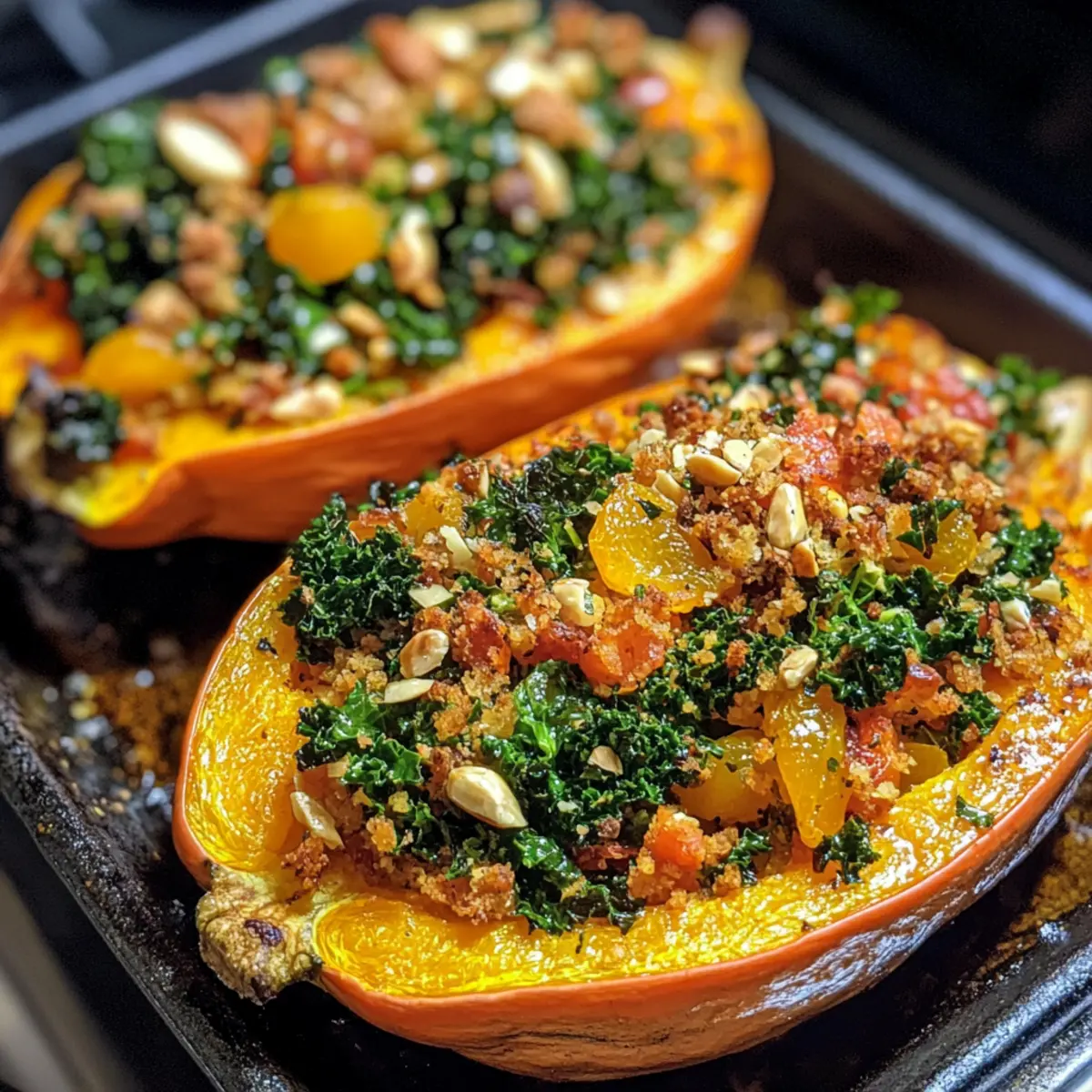
Moroccan Stuffed Butternut Squash: A Flavorful Festive Delight
Ingredients
Equipment
Method
- Preheat your oven to 200°C (or 180°C fan). Line a baking tray with greaseproof paper.
- Carefully slice the butternut squash in half lengthwise. Rub with olive oil, season with salt and pepper, and roast cut side down for 40-50 minutes until tender.
- In the last 8 minutes of roasting, scatter the flaked almonds onto the tray.
- Heat olive oil in a skillet and sauté the minced red onion for 3-4 minutes until soft. Add minced garlic and coriander seeds for another minute.
- Stir in the rice, ras el hanout, chopped dried apricots or dates, citrus zest, and kale. Cook for about a minute until the kale wilts.
- Remove the roasted squash, scoop out some flesh, and mix it with the rice mixture, adding toasted almonds, fresh coriander, and vegan feta.
- Whisk together the dressing ingredients, taste and adjust, mixing two-thirds into the stuffing.
- Stuff the squash halves with the stuffing, pressing down gently. Bake for another 10 minutes.
- Remove and garnish with fresh coriander before serving warm.
Leave a Reply