
As I knead the dough, the earthy scent of turmeric envelops me, drawing me into a culinary journey that promises surprising flavor at every bite. This Vibrant Turmeric Sourdough Bread with a Kick of Black Pepper is not just a loaf; it’s a canvas for creativity that brings a radiant golden hue and a spicy warmth to your table. With its inviting aroma and comforting texture, this recipe is beginner-friendly, making it easy to elevate your baking game. Plus, it’s perfect for toasting or pairing with your favorite soups—turning an ordinary meal into something memorable. Are you ready to impress your family and friends with this delightful twist on traditional sourdough?
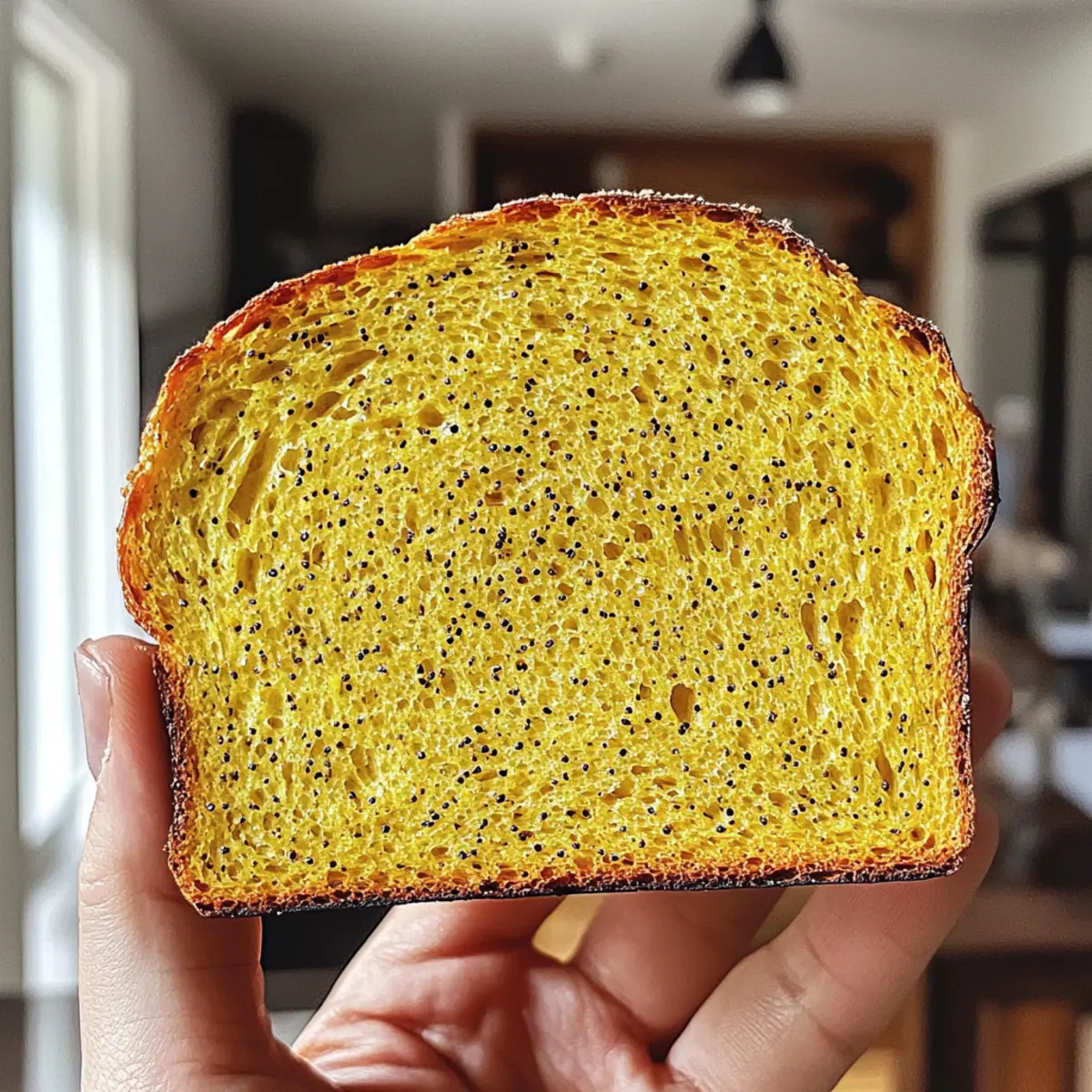
Why is Turmeric Sourdough Bread Special?
Incredible Flavor: The earthy warmth of turmeric marries perfectly with the zing of black pepper, creating a loaf that’s bursting with character.
Beautiful Appearance: With its vibrant golden color, this bread is an eye-catching addition to any meal.
Beginner-Friendly: Even if you’re new to sourdough, this recipe is easy to tackle and doesn’t require advanced skills.
Versatile Serving Options: Whether you enjoy it toasted with butter or alongside hearty soups, it enhances any dish and impresses guests.
Health Benefits: Rich in antioxidants, turmeric adds nutritional value—it’s not only delicious but also good for you!
Creative Variations: Like experimenting in the kitchen? Consider substituting turmeric or adding seeds and herbs for unique flavors—you can make it your own! For even more delicious recipes, you might also enjoy Herb Soda Bread or Cheesy Halloween Breadstick Bones.
Turmeric Sourdough Bread Ingredients
For the Levain
• Sourdough Starter – Use an active starter at peak freshness for the best rise in your turmeric sourdough bread.
• Bread Flour – Provides the structure for the dough; you can alternatively use an all-purpose flour blend.
• Water – Hydrates the flour and activates the yeast; filter your water for optimal results.
For the Dough
• Bread Flour – This forms the base of your dough; a strong flour is essential for proper gluten development.
• Turmeric Powder – Adds not only vibrant color but also a warm, earthy flavor; there’s no substitute for this key ingredient.
• Black Pepper – Introduces a gentle spicy kick to the bread; adjust to your preference or omit if desired.
• Salt – Essential for flavor and to strengthen the gluten structure; do not skip this ingredient, as it’s crucial for taste.
For Dusting
• White Rice Flour – Prevents sticking in the banneton; you can use all-purpose flour if rice flour isn’t available.
Now that you have all the ingredients ready, let’s embark on the journey of creating this delightful Turmeric Sourdough Bread!
Step‑by‑Step Instructions for Vibrant Turmeric Sourdough Bread with a Kick of Black Pepper
Step 1: Prepare Levain
In a clean jar, combine 22g of your bubbly sourdough starter with 22g of flour and 22g of lukewarm water. Mix thoroughly until no dry flour remains, then cover loosely. Allow it to ferment at room temperature for 4 to 6 hours, or until it doubles in size and has a pleasant aroma, indicating your levain is at its peak for making exquisite Turmeric Sourdough Bread.
Step 2: Mix Dough
In a large mixing bowl, pour in 350g of filtered water. In another bowl, whisk together 500g of bread flour, 15g of turmeric powder, and 5g of black pepper. Gradually add the flour mixture to the water, stirring until a shaggy, cohesive dough forms. This mixture will be the foundation for your fragrant turmeric sourdough, so ensure all ingredients are well incorporated before proceeding.
Step 3: Autolyse
Cover the bowl with a damp cloth or plastic wrap and let the dough rest for 30 minutes at room temperature. This autolyse phase is important as it allows the flour to absorb the water fully and enhances gluten development, making your future kneading and shaping much easier and more effective for the final sourdough bread texture.
Step 4: Incorporate Levain and Salt
After the autolyse, add your prepared levain and 10g of salt to the dough. Use a pinching and folding technique to mix everything thoroughly until the levain and salt are fully incorporated. Once mixed, cover the bowl again and let it rest for another 30 minutes, allowing the flavors to meld in your Turmeric Sourdough Bread.
Step 5: Bulk Fermentation
Initiate the bulk fermentation by performing two sets of stretch and folds every 30 minutes for the next 2 hours. Gently pull one side of the dough up and over itself, rotating the bowl to work through all sides. Afterward, let the dough rest for another 30 minutes. You should see bubbles forming on the surface, and the volume should be slightly increased, signaling good fermentation.
Step 6: Preshape and Final Shape
Lightly flour your work surface and gently turn the dough out onto it. Shape the dough into a round by folding the edges towards the center. Allow it to rest for 10 to 15 minutes, then shape it into a batard or oval loaf. Place the shaped dough seam-side up in a banneton dusted with white rice flour to ensure it doesn’t stick. Your Turmeric Sourdough is emerging beautifully!
Step 7: Cold Proof
Cover the banneton with a kitchen towel or plastic wrap, and transfer it to the refrigerator for 8 to 14 hours. This cold proofing allows the flavors of turmeric and black pepper to deepen, while also developing a robust structure that will yield a lovely texture and rise in your final bake.
Step 8: Preheat Oven
About 30 minutes before baking, preheat your oven to 500°F (260°C) with a Dutch oven inside. This step is crucial for achieving a beautiful crust on your Turmeric Sourdough Bread. Allow the Dutch oven to heat thoroughly, which helps create steam for a perfect bake upon introduction of the dough.
Step 9: Bake
Carefully transfer your dough onto a piece of parchment paper. Score the top with a sharp knife or a razor blade to allow for proper expansion during baking. Place the dough with parchment into the preheated Dutch oven, cover it, and lower the oven temperature to 450°F (232°C). Bake covered for 20 minutes, then remove the lid and continue baking for another 17 to 20 minutes, or until the loaf is golden brown and crusty.
Step 10: Cool
Once baked, transfer the bread onto a wire rack to cool for at least 2 hours before slicing. This cooling period is essential for achieving the perfect texture; cutting too soon may result in a gummy crumb. Enjoy the delightful aroma of your freshly baked Turmeric Sourdough Bread with a kick of black pepper as it wafts through your kitchen!
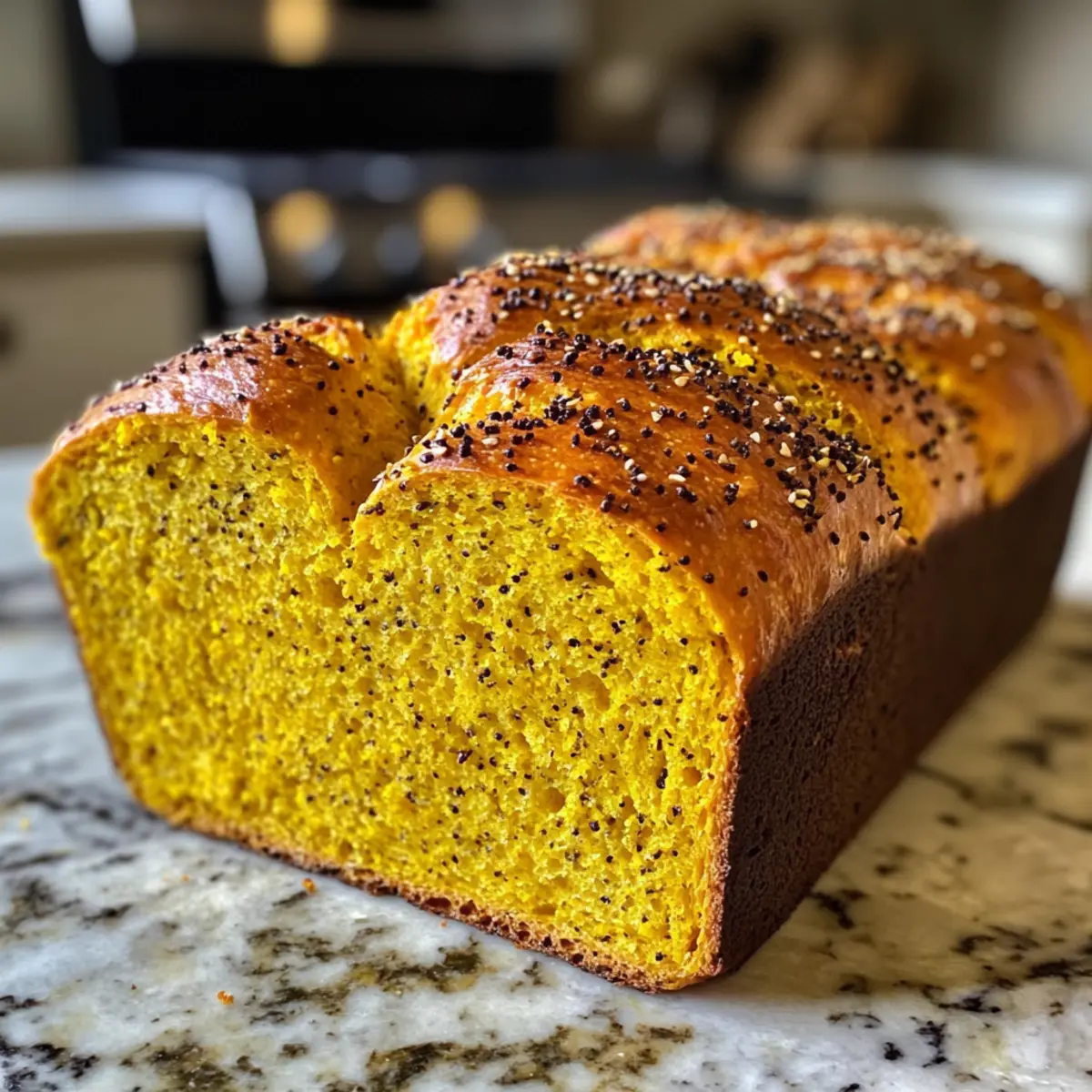
Expert Tips for Turmeric Sourdough Bread
-
Starter Vitality: Ensure your sourdough starter is bubbly and at peak activity to give your turmeric sourdough bread the best rise possible.
-
Knead with Care: Don’t over-knead the dough; mixing until just combined enhances the texture while protecting the flavor profiles of turmeric and black pepper.
-
Temperature Matters: Always keep an eye on dough temperature during bulk fermentation; warmer conditions can speed up fermentation but may risk over-proofing.
-
Patience Is Key: Allow your dough to cool completely before slicing; this prevents a gummy texture, ensuring each piece of turmeric sourdough bread retains its perfect crumb.
-
Experiment Boldly: Feel free to adjust the amount of black pepper to suit your taste; this not only adds a customizable spicy kick but elevates the aromatic experience.
What to Serve with Vibrant Turmeric Sourdough Bread with a Kick of Black Pepper
Imagine the delightful aroma filling your kitchen as you host a warm gathering, with this unique bread as the centerpiece of your meal.
-
Creamy Avocado Toast: The buttery consistency of avocado enhances the unique spices in your bread, creating a rich, flavorful bite. The freshness contrasts beautifully with the warm bread.
-
Zesty Tomato Soup: A classic pairing that brightens the warm notes of turmeric, making every spoonful a comforting experience that warms the soul.
-
Mixed Green Salad: Crisp greens with a tangy vinaigrette add a refreshing crunch to balance the dense texture of the bread, creating a harmony of flavors and textures.
-
Cheese Board Delight: Pair slices with a variety of cheeses like feta or aged cheddar. The tang of cheese complements the subtle kick of black pepper, elevating your taste adventure.
-
Roasted Vegetable Medley: Oven-roasted veggies bring a sweet and savory contrast to your bread, highlighting earthy flavors and making it an irresistible side dish.
-
Homemade Garlic Butter: Spread on warm slices, this savory addition introduces richness and aromatic depth that pairs perfectly with the warm spices of the loaf.
-
Chilled White Wine: A glass of light, crisp white wine refreshes the palate, allowing the warm notes of the turmeric and spice in your bread to shine through with each sip.
-
Dark Chocolate Dessert: For dessert, a piece of dark chocolate balances the bread’s warmth with its rich sweetness, leaving you with a satisfying conclusion to your meal.
Variations & Substitutions for Turmeric Sourdough Bread
Feel free to explore and customize this delightful recipe, transforming it into something uniquely yours with exciting flavors and textures!
-
Beet Powder: Swap turmeric for beet powder for a vibrant pink loaf, adding earthiness and sweetness.
-
Cumin Twist: Add 1 teaspoon of ground cumin for a warm, aromatic flavor that pairs beautifully with the turmeric.
-
Herby Delight: Incorporate 1 tablespoon of fresh, chopped rosemary or thyme into the dough for an aromatic, herbal twist.
-
Cheese Infusion: Fold in 100g of grated cheese, such as cheddar or feta, before the final rise for a savory depth.
-
Seed Boost: Sprinkle in sesame or poppy seeds for added crunch and texture, making each bite a little different.
-
Spicy Kick: Increase the black pepper to 10g for those who love an extra punch; it enhances the bread’s backnote spectacularly.
-
Garlic Goodness: Mix in 2 cloves of minced garlic for a savory flavor explosion, perfect for pairing with spreads.
-
Nutty Flavor: Incorporate ¼ cup of finely chopped walnuts or almonds for rich, nutty flavor and added texture.
Don’t forget, if you find yourself enjoying a good loaf of bread, you might want to try your hand at Pull Apart Bread or those wonderfully creative Cheesy Halloween Breadstick Bones. The options are endless, so have fun in the kitchen!
Make Ahead Options
These Vibrant Turmeric Sourdough Bread with a Kick of Black Pepper are perfect for busy home cooks looking to save time during hectic weeknights! You can prepare the levain up to 24 hours in advance, allowing it to ferment in the refrigerator for optimal flavor development. Additionally, you can mix the dough and complete the autolyse phase up to 8 hours ahead, simply keeping it covered at room temperature. On the day of serving, shape the dough and cold proof it overnight (8-14 hours) for a delicious result. Just remember to preheat your oven before baking; this thoughtful meal prep ensures you can enjoy fresh, flavorful bread with minimal effort!
Storage Tips for Turmeric Sourdough Bread
Room Temperature: Store your turmeric sourdough bread in a paper bag to maintain its crust and freshness for up to 3 days. Avoid plastic bags as they can cause sogginess.
Fridge: If you need to store it longer, wrap the bread in foil or place it in an airtight container in the fridge for up to 1 week. However, this may slightly affect the crust’s crispness.
Freezer: For extended storage, slice the bread and wrap each slice tightly in plastic wrap, then place in a freezer bag. It can be frozen for up to 3 months; just thaw at room temperature before enjoying.
Reheating: To revive the crust, reheat slices in a toaster or bake in a preheated oven at 350°F (175°C) for about 10 minutes. This way, your turmeric sourdough bread retains its delightful texture and flavor!
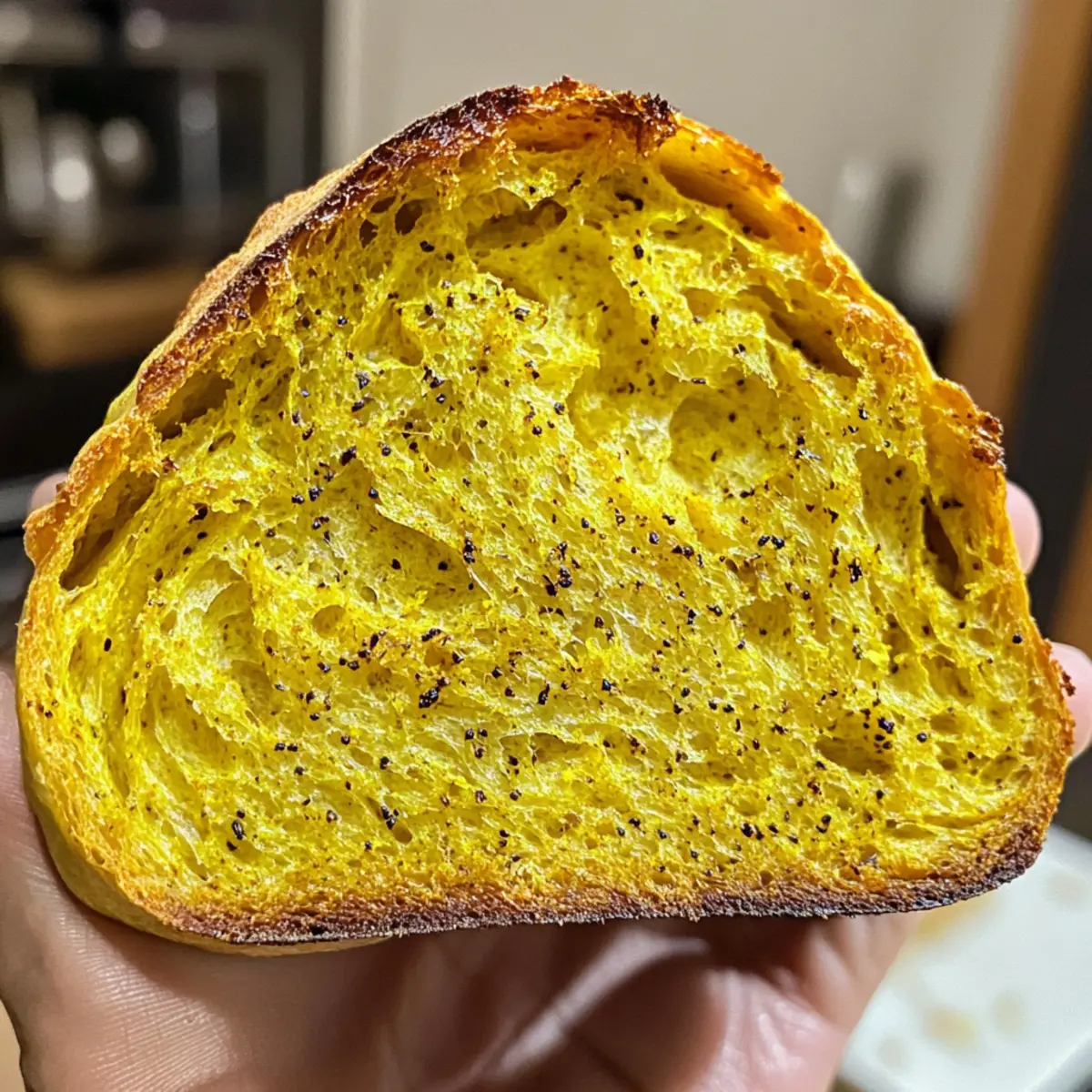
Turmeric Sourdough Bread Recipe FAQs
What type of turmeric should I use for the best flavor?
I recommend using high-quality turmeric powder, ideally organic. This will provide a vibrant color and robust earthy flavor to your sourdough bread. Avoid old, stale turmeric, as it may lack flavor and color potency.
How should I store my Turmeric Sourdough Bread?
For short-term storage, keep your turmeric sourdough bread in a paper bag at room temperature for up to 3 days. If you want it to last longer, wrap it tightly in foil or place it in an airtight container in the fridge for up to 1 week. Be cautious, as refrigeration can soften the crust.
Can I freeze Turmeric Sourdough Bread?
Absolutely! To freeze your turmeric sourdough, slice the loaf and wrap each slice tightly in plastic wrap before placing them in a freezer bag. It will keep well for up to 3 months. To enjoy, simply thaw at room temperature or toast straight from the freezer for a quick snack!
What is the best way to troubleshoot a dense loaf?
If your bread turns out dense, it could be due to an inactive sourdough starter. Make sure your starter is bubbly and at its peak activity before using it. Additionally, ensure your dough has gone through proper fermentation with enough stretch and folds. If your dough is too wet, you may also need to adjust the flour-to-water ratio slightly during your next bake.
Can I substitute black pepper in this recipe?
Yes! If you prefer less spice, you can reduce the amount of black pepper or omit it entirely for a milder flavor. Alternatively, consider using spices like cumin or paprika for different flavor profiles if you want to experiment.
Is this sourdough bread safe for pets, specifically dogs?
Yes, turmeric in small amounts is generally safe for dogs and can even have health benefits. However, it’s essential to avoid adding any salt or other spices to the bread for their safety. Always consult with your veterinarian if you’re unsure about introducing new foods to your pet’s diet.
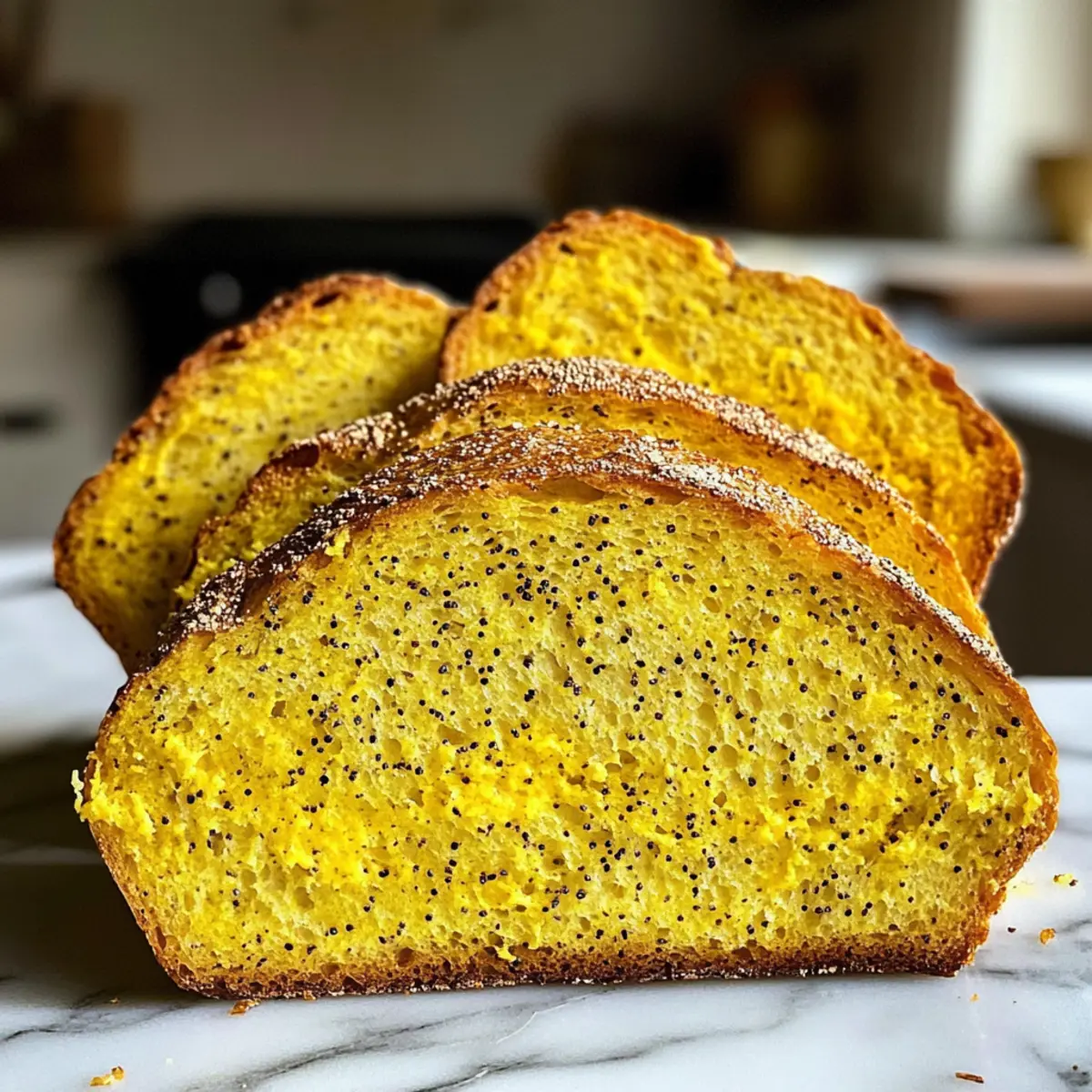
Golden Turmeric Sourdough Bread with a Spicy Twist
Ingredients
Equipment
Method
- In a clean jar, combine 22g of your bubbly sourdough starter with 22g of flour and 22g of lukewarm water. Mix thoroughly and allow it to ferment for 4 to 6 hours.
- In a bowl, whisk together 500g of bread flour, 15g of turmeric powder, and 5g of black pepper. Pour in 350g of filtered water and stir until a cohesive dough forms.
- Cover the bowl with a damp cloth and let it rest for 30 minutes.
- Add your prepared levain and 10g of salt to the dough. Mix until incorporated and let it rest again for 30 minutes.
- Perform two sets of stretch and fold every 30 minutes for 2 hours, then let the dough rest for 30 minutes.
- Turn the dough onto a floured surface, shape into a round, and let it rest. Then shape into a batard or oval loaf and place seam-side up in a banneton dusted with rice flour.
- Cover the banneton and transfer to the refrigerator for 8 to 14 hours.
- Preheat your oven to 500°F (260°C) with a Dutch oven inside for 30 minutes.
- Transfer the dough onto parchment, score the top, and place in the Dutch oven. Bake covered at 450°F (232°C) for 20 minutes, then uncover and bake for another 17 to 20 minutes.
- Transfer the bread to a wire rack to cool for at least 2 hours before slicing.
Leave a Reply