
The aroma of flour and yeast fills the kitchen, transporting me back to cozy dinners spent with family, where laughter mingles with the joy of good food. Making homemade sourdough pasta feels like a delightful adventure, especially since it celebrates the unique tanginess of your sourdough starter or discard. This recipe transforms basic ingredients into a comforting, wholesome dish that’s not just gluten-sensitive-friendly but also rich in the benefits of fermentation. What I love most is that it’s deceptively easy—perfect for quick weeknight meals or an elegant dinner party. As you roll out that dough, you’ll find satisfaction in each step, knowing you’re crafting something truly special. Ready to elevate your pasta game? Let’s dive in!
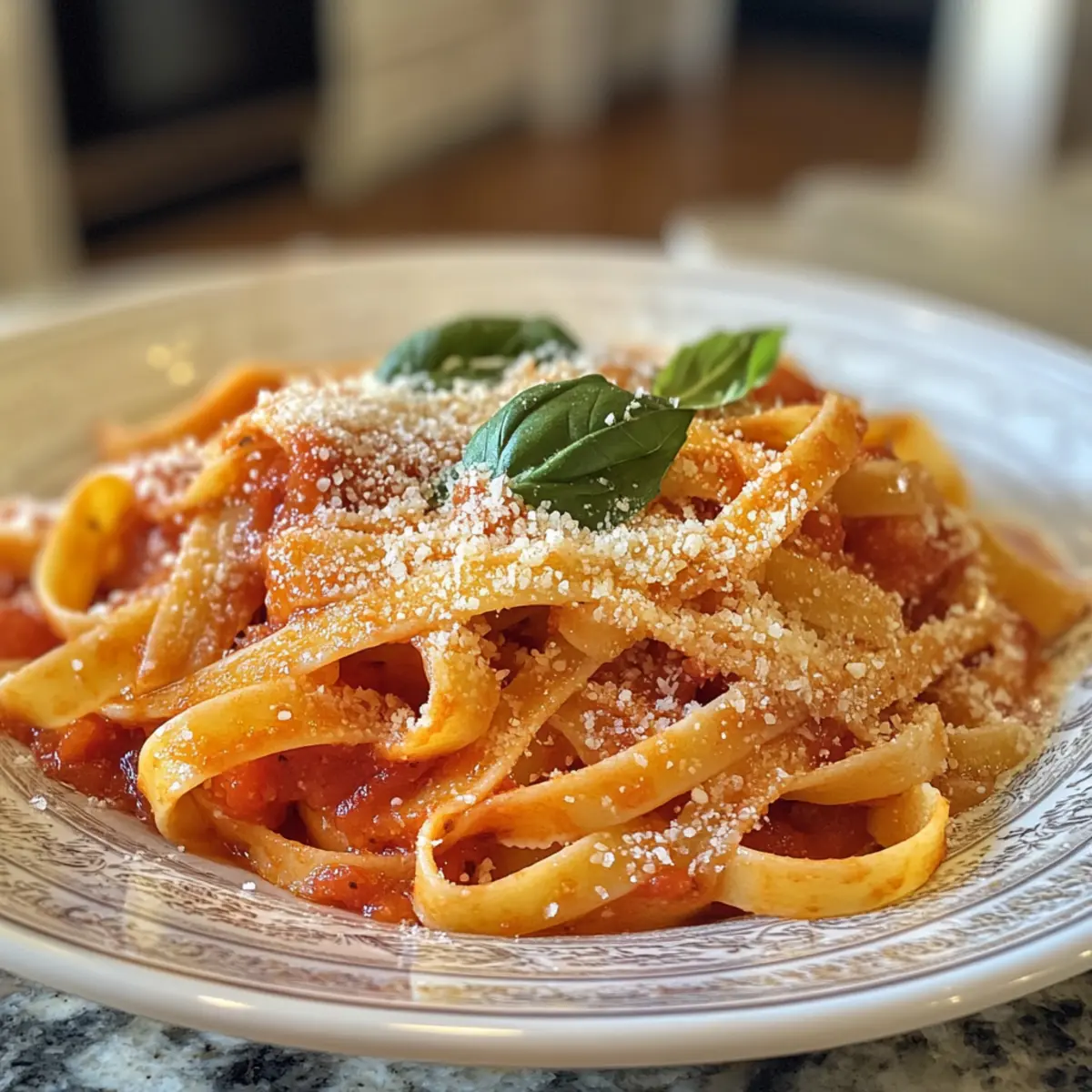
Why Make Your Own Sourdough Pasta?
Delightfully Tangy: The unique flavor of homemade sourdough pasta brings richness to every bite, thanks to the fermentation process.
Easy and Accessible: With just a few ingredients—sourdough starter, eggs, and flour—you can create fresh pasta in no time, making it perfect for busy weeknights.
Versatile Meal Options: Pair it with your favorite sauces like Alfredo or marinara, or enjoy it sautéed with seasonal vegetables for a light meal.
Health Benefits: The fermentation adds not only flavor but also enhances digestibility, making this pasta an excellent choice for gluten-sensitive diners.
Creative Customization: You can experiment with variations, such as whole wheat or flavored sourdough, adding your unique twist to this beloved dish. Don’t forget to check out other recipes like Caramelized Leek Pasta for even more tasty ideas!
Homemade Sourdough Pasta Ingredients
For the Dough
- Sourdough Starter or Discard – Essential for flavor and fermentation; you can use either active starter or discard based on what you have.
- Large Eggs – Adds richness and binds the ingredients; feel free to substitute with an egg alternative if making it vegan.
- All-Purpose Flour – Forms the structure of the pasta; swap it with gluten-free flour if desired, but note the texture may vary.
Optional Enhancements
- Whole Wheat Flour – Offers a nuttier flavor and added fiber if you wish to switch from all-purpose.
- Herb-Infused Sourdough Starter – Consider this for a delicious twist that elevates the taste of your homemade sourdough pasta.
Step‑by‑Step Instructions for Homemade Sourdough Pasta
Step 1: Prepare the Dough
On a clean, floured work surface, create a well with 2 cups of all-purpose flour. Gently crack two large eggs and add either your active sourdough starter or discard into the well. Using a fork, mix the eggs and starter, gradually pulling flour from the edges until a shaggy dough starts to form, about 2-3 minutes.
Step 2: Knead the Dough
Knead the shaggy dough by hand for about 8-10 minutes, working it until it becomes smooth and elastic. You want a slightly tacky texture that springs back when pressed. Once kneaded, wrap the dough tightly in plastic wrap and let it rest for 30 minutes at room temperature, or refrigerate it overnight to enhance the flavor profile.
Step 3: Roll Out the Dough
After the resting period, divide the dough into four equal pieces for easier handling. Using a rolling pin or pasta machine, roll each piece into a thin sheet (about 1/16-inch thick) on a floured surface. If you’re making noodles like fettuccine or linguine, dust with flour to prevent sticking before cutting into strips.
Step 4: Drying (Optional)
If you’re not cooking your homemade sourdough pasta immediately, lay the cut noodles on a drying rack, making sure they don’t overlap. Let air dry for 12-24 hours; they should feel completely dried before storing. Keep your dried pasta in an airtight container in a cool, dry place to maintain its freshness.
Step 5: Cooking the Pasta
Bring a large pot of salted water to a rolling boil over high heat. Add your fresh or dried sourdough pasta to the pot. Cook fresh pasta for 3-5 minutes or until al dente; if using dried, it will take about 6 minutes. Taste test to ensure the pasta is cooked just right, balancing the perfect tender and chewy texture.
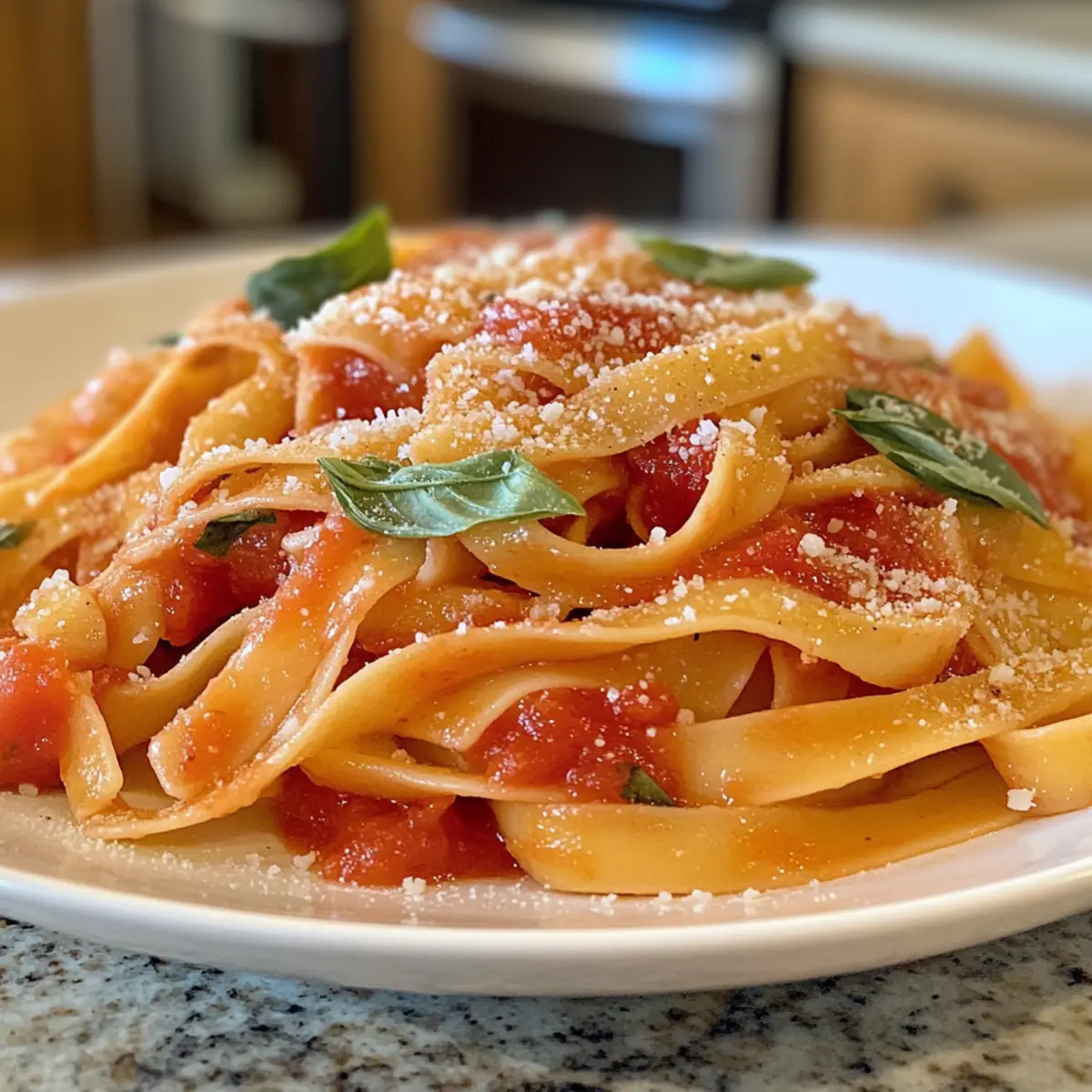
Homemade Sourdough Pasta Variations
Feel free to customize your homemade sourdough pasta for new flavors and dietary needs. Embrace the joy of cooking by exploring these delightful twists!
-
Dairy-Free: Substitute eggs with a flaxseed or chia seed mixture for a plant-based alternative, perfect for vegan diets.
Using a simple flax egg, just mix one tablespoon of ground flaxseed with three tablespoons of water and let it sit until it thickens. -
Gluten-Free: Use a gluten-free all-purpose flour blend, noting that the texture will vary slightly.
Just be aware that gluten-free pasta may require adjustments in cooking time and consistency during the rolling process. -
Whole Wheat: Swap all-purpose flour for whole wheat flour for a nutty flavor and added fiber.
This variation not only enriches the taste but also offers a heartier pasta that pairs beautifully with robust sauces. -
Herb-Infused: Mix dried herbs like basil or oregano into your flour for an aromatic twist.
Imagine the fragrant aroma filling your kitchen, turning every dish into an herbaceous delight! -
Spicy Kick: Incorporate a teaspoon of red pepper flakes into the dough for a hint of heat.
This slight addition brings a welcomed warmth, especially when paired with creamy or tomato-based sauces. -
Vegetable Boost: Introduce pureed spinach or beet into the dough for a colorful and nutritious element.
This not only beautifies your dish but also sneaks in extra greens, making it fun for kids and adults alike! -
Charcuterie Twist: Try adding finely chopped prosciutto or pancetta into the pasta for a savory touch.
Using flavorful bits in your pasta elevates your meal and takes it from ordinary to extraordinary. -
Cheesy Addition: Knead in some grated parmesan or pecorino cheese for a rich umami flavor.
This cheesy touch amps up the savory profile, making it irresistible when served with a light sauce.
With such versatility, this homemade sourdough pasta can easily become your canvas for endless culinary creativity. For additional inspiration, why not check out our delicious Crab Pasta Salad or Dried Tomato Pasta to complement your homemade pasta adventure?
Make Ahead Options
These homemade sourdough pasta options are perfect for busy weeknights, saving you time while still delivering exceptional flavor! You can prepare the dough and wrap it tightly in plastic wrap, refrigerating for up to 3 days; this extended rest enhances the flavor. Alternatively, if you roll and cut your pasta, let it air dry for 12-24 hours, then store in an airtight container at room temperature. When you’re ready to cook, simply bring salted water to a boil and add your fresh or dried pasta, cooking fresh for 3-5 minutes or dried for about 6 minutes until it’s perfectly al dente. This ensures your homemade sourdough pasta retains its delightful texture and taste, making meal prep a breeze!
Storage Tips for Homemade Sourdough Pasta
Fridge: Store fresh homemade sourdough pasta in an airtight container for up to 2 days, ensuring it remains covered to prevent drying out.
Freezer: For longer storage, freeze uncooked pasta by laying it flat on a baking sheet until firm, then transfer it to a freezer bag—use within 3 months for best quality.
Dried Pasta: If you’ve air-dried your pasta, store it in an airtight container in a cool, dry place to maintain freshness. Use it within 1 month for optimal flavor and texture.
Reheating: To reheat cooked pasta, add it to boiling water for 1-2 minutes until warmed through, avoiding overcooking to retain its delightful, chewy texture.
What to Serve with Easy Homemade Sourdough Pasta?
The joy of a delicious meal doesn’t stop at the pasta; it’s all about the perfect accompaniments that complete your dining experience.
- Creamy Alfredo Sauce: Rich and velvety, this sauce clings beautifully to the tangy pasta, creating a comforting blend of flavors.
- Marinara Sauce: The bright acidity of marinara cuts through the richness of the pasta, offering a refreshing balance with every bite.
- Garlic Sautéed Greens: Lightly wilted spinach or kale adds a nutritious crunch and earthy flavor that complements the tanginess of the sourdough pasta.
- Roasted Vegetables: Seasonal veggies, caramelized to perfection, bring a sweet and smoky depth that enhances the taste experience.
- Fresh Pesto: The vibrant herbaceous notes of pesto provide a burst of freshness, making each forkful as lively as springtime.
- Caesar Salad: Crisp romaine and creamy dressing create a delightful contrast in texture, perfect for offsetting the chewiness of the pasta.
- Wine Pairing: A chilled Sauvignon Blanc or a light Chianti pairs beautifully, enhancing the meal while adding an extra touch of elegance.
- Tiramisu for Dessert: End on a sweet note with this classic Italian dessert; its coffee flavors and creamy texture beautifully round out your dining experience.
With these delightful pairings, your homemade sourdough pasta will truly shine on the dinner table, inviting everyone to savor and enjoy.
Expert Tips for Homemade Sourdough Pasta
Kneading Technique: Make sure to knead the dough until it’s smooth and elastic; this develops gluten for the perfect texture in your homemade sourdough pasta.
Flavor Perfection: For a richer flavor, refrigerate the dough overnight instead of just a 30-minute rest. This allows for better fermentation and taste.
Cutting Pasta: When cutting into noodles, dust each piece with flour to prevent sticking. This will ensure your pasta cooks evenly without clumping together.
Cooking Time Awareness: Remember, fresh pasta cooks much faster than dried pasta—keep an eye on it to avoid overcooking!
Storage Tips: If drying pasta, ensure it’s completely dry before storing. Store dried homemade sourdough pasta in an airtight container for optimal freshness.
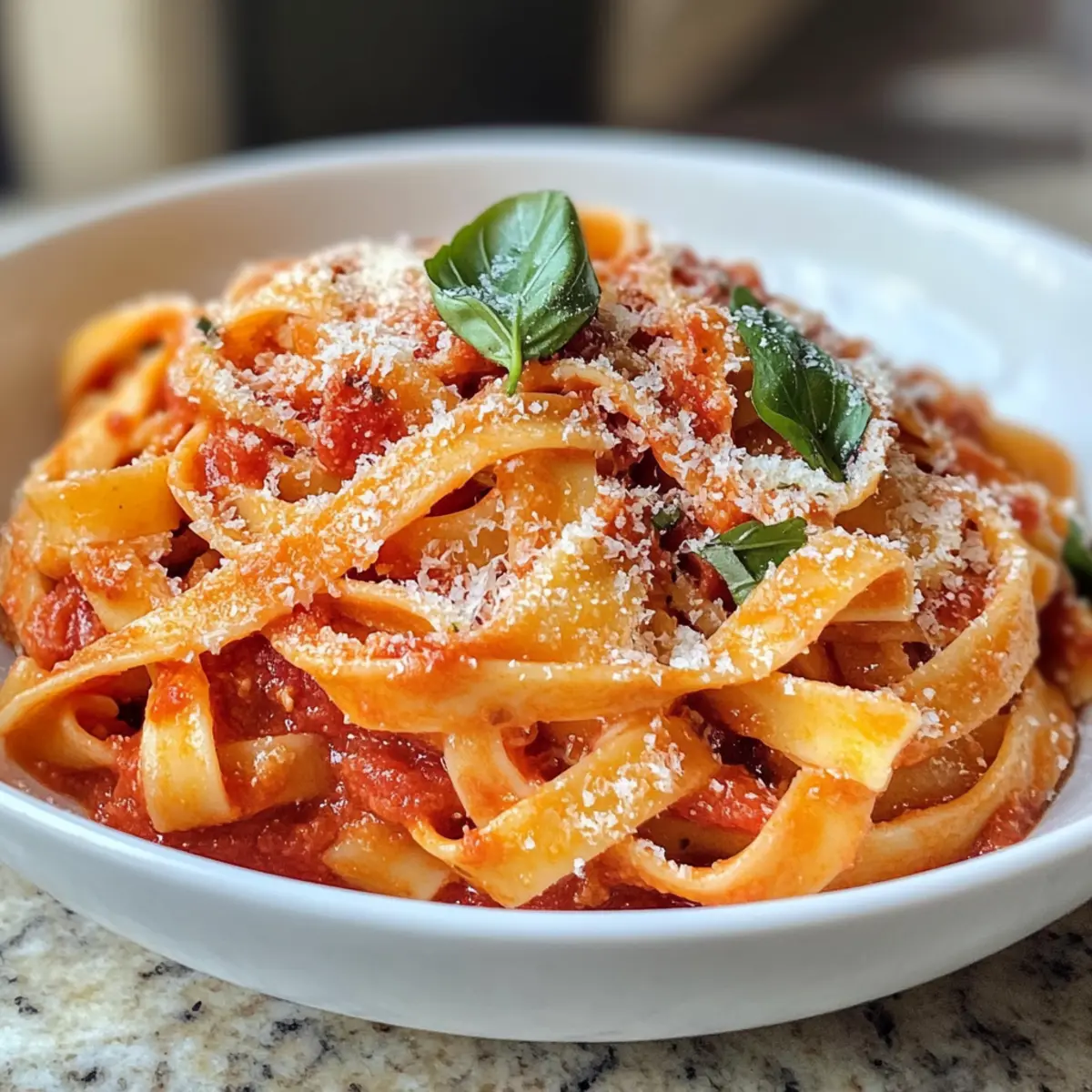
Homemade Sourdough Pasta Recipe FAQs
What type of sourdough starter is best to use?
Absolutely! You can use either an active sourdough starter or discard for this recipe. If using active starter, ensure it’s bubbly and at its peak for the best flavor. Discard works well too and helps avoid wasting your starter when you’re feeding it.
How should I store the fresh homemade sourdough pasta?
Fresh pasta can be stored in an airtight container in the refrigerator for up to 2 days. Make sure to keep it covered to prevent it from drying out, so you can enjoy its delightful texture!
Can I freeze homemade sourdough pasta? How?
Yes, you can freeze uncooked pasta! First, lay the cut noodles flat on a baking sheet, leaving space between each piece. Freeze them until firm, then transfer to a freezer bag. This method helps prevent them from sticking together. Use within 3 months for the best taste.
What should I do if my dough is too sticky?
If you find your dough is sticking more than expected, don’t worry! Simply add a little extra flour to your work surface and knead it in until the dough becomes smooth and elastic. Aim for a slightly tacky texture that springs back when pressed; this ensures the perfect noodle!
Is this recipe suitable for gluten-sensitive individuals?
Definitely! While the base recipe is made with all-purpose flour, you can substitute it with gluten-free flour as needed. Keep in mind that the texture may vary, but it’s a wonderful way to enjoy homemade pasta if gluten is a concern.
How should I dry the pasta if I’m not cooking it right away?
To air-dry your homemade sourdough pasta, place it on a drying rack, ensuring the pieces are not overlapping. Let it dry for 12-24 hours, checking that it feels completely dry before storing it in an airtight container. This ensures it stays fresh and ready for your next delicious meal!
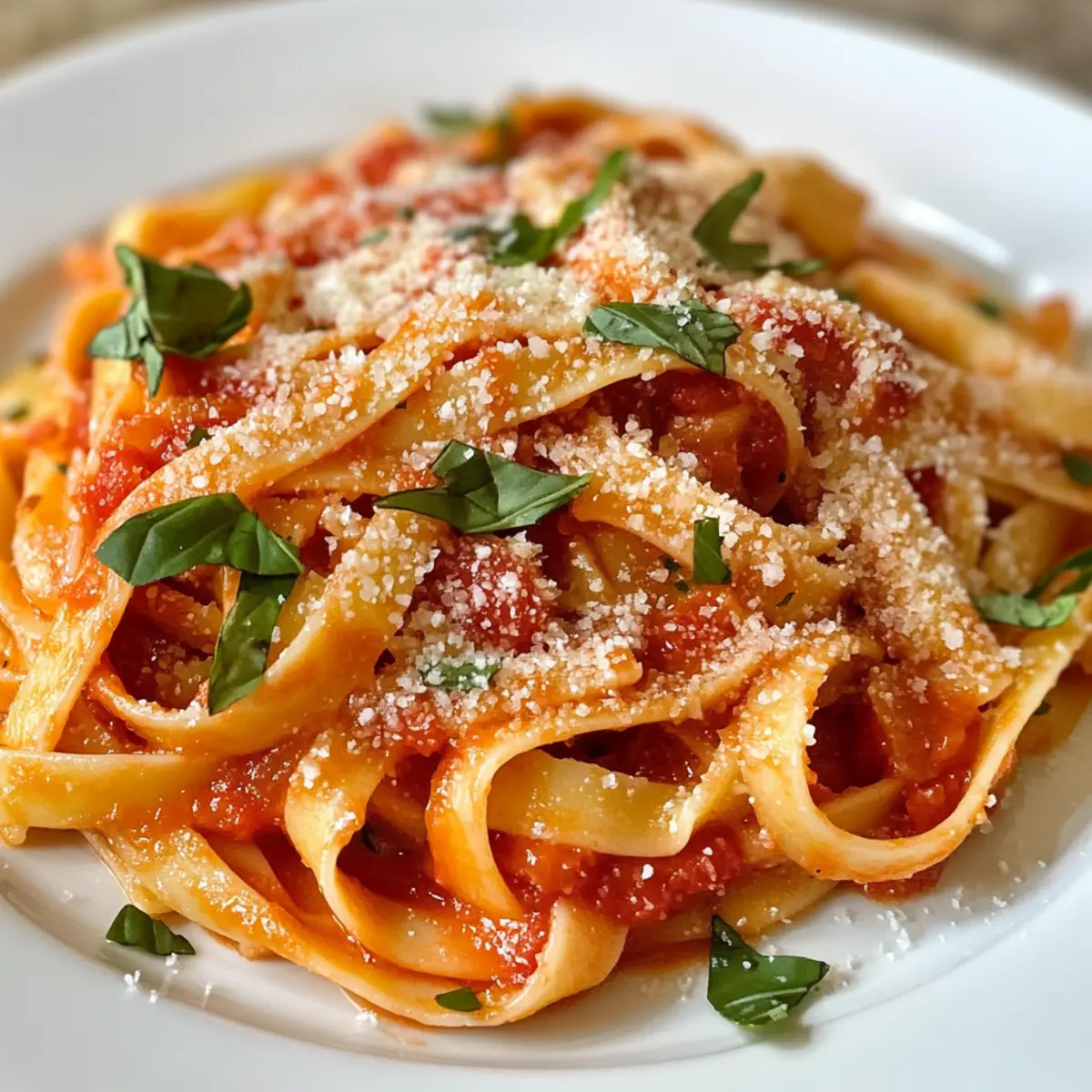
Homemade Sourdough Pasta That's Soft, Tangy, and Irresistible
Ingredients
Equipment
Method
- Prepare the Dough: Create a well with 2 cups of all-purpose flour. Add 2 large eggs and 1 cup of sourdough starter. Mix the eggs and starter using a fork, pulling flour from the edges to form a shaggy dough.
- Knead the Dough: Knead the dough for about 8-10 minutes until smooth and elastic. Wrap tightly and let rest for 30 minutes at room temperature or refrigerate overnight.
- Roll Out the Dough: Divide the dough into four pieces. Roll each piece into a thin sheet on a floured surface. Dust with flour before cutting into strips if making noodles.
- Drying (Optional): Lay cut noodles on a drying rack to air dry for 12-24 hours if not cooking immediately.
- Cooking the Pasta: Bring salted water to a boil. Cook fresh pasta for 3-5 minutes or dried pasta for about 6 minutes until al dente.
Leave a Reply